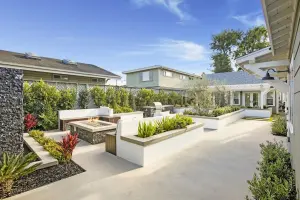
Accessory Dwelling Units: What Homeowners Should Know
As families grow and circumstances change, many homeowners find themselves in need of additional living space. Whether the goal is generating rental income, housing an aging parent nearby, or simply adding functional square footage to a property, an accessory dwelling unit (ADU) can be a practical solution. Sea Pointe Design & Remodel works with homeowners to plan, design, and build ADUs that fit their specific needs and property conditions.
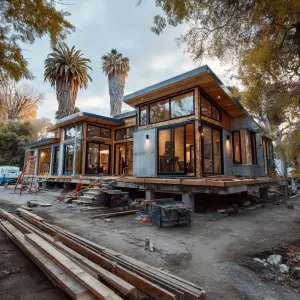
An ADU is a secondary living space located on the same lot as the primary residence. Unlike a standard home addition or in-law suite, a detached ADU functions as a separate dwelling unit. Common examples include garage conversions, backyard cottages, and granny flats. These units can range from a simple extra room to a fully equipped space with a kitchen, bathroom, and living area.
Key Factors to Consider Before Building an ADU
Before starting any ADU project, there are several important questions worth addressing:
- Are ADUs permitted in your area? California updated its ADU and JADU laws effective January 1, 2020, making it easier to build accessory dwelling units and junior accessory dwelling units (JADUs). The updated legislation allows ADUs and JADUs to be built at the same time as a single-family dwelling and supports development of garage conversions and granny flats.
- Is there an existing structure on the property? A detached or attached garage that is underutilized can often serve as a starting point for an ADU conversion. If the structure is in sound condition, converting it may reduce overall construction costs. It may also be possible to add a second story with a separate entrance.
- What will the space be used for? The intended use affects the design, size, and budget. A unit for a family member may prioritize ground-floor accessibility, while a rental unit may call for more modest finishes to maximize return on investment.
- Is the ADU for personal use or rental income? This distinction helps guide decisions around finishes, layout, and overall investment. Rental ADUs, such as a garage conversion or casita, can often offset mortgage costs from the outset.
It is also worth noting that regulations, permit requirements, and associated fees can change. Staying current with local requirements is essential, as penalties for non-compliance can be significant.
Working with Sea Pointe Design & Remodel on Your ADU Project
Sea Pointe Design & Remodel offers a structured approach to ADU construction in California. As an experienced ADU contractor, the company handles the process from initial design through final inspection. Their team includes professionals with expertise in design, construction, electrical work, and plumbing — all of which are necessary for a compliant and functional accessory dwelling unit.
Sea Pointe works directly with local government agencies to obtain the required permits and schedule inspections on behalf of the homeowner. This helps reduce the administrative burden and keeps the project moving forward within legal guidelines.
The design phase focuses on creating a unit that works within the available space while meeting the homeowner's practical requirements. Whether the project involves a detached ADU, a garage conversion, or a backyard cottage, the team aims to deliver a finished product that adds lasting value to the property.
For homeowners considering an accessory dwelling unit in California, working with a knowledgeable ADU builder like Sea Pointe Design & Remodel can help navigate the complexities of local regulations and ensure the project is completed properly.