ADU Contractors in Michigan
Skyline Homes
755 West Big Beaver Road, New Troy, MI 48084
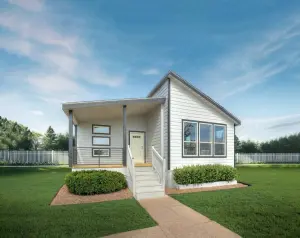
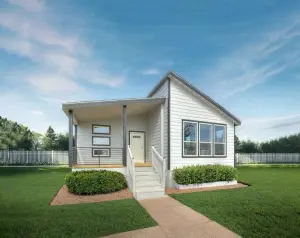
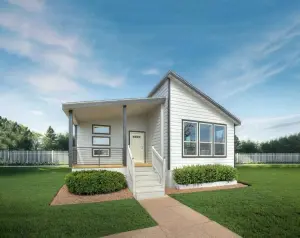
Skyline Homes offers prefab Accessory Dwelling Units (ADUs) for guest suites, rentals, or multigenerational living. Features include Net Zero Ready builds, smart home options, and flexible configurations like detached ADUs, Casitas, and JADUs.
read more
Northwood Tiny Homes
2854 Holiday Pines Rd, Traverse City, MI 49686
Northwood Tiny Homes is a Michigan ADU builder serving Northern Michigan and Grand Rapids. They offer full-service construction of detached ADUs, tiny homes, granny flats, and garage units, managing design, permitting, and building in-house.
read more
Champion Home Builders, Inc.
755 West Big Beaver Road, Troy, MI 48084
An Accessory Dwelling Unit (ADU), also known as a granny flat or in-law suite, is a self-contained living space that boosts property value by 20–30%, generates rental income, supports multigenerational living, and promotes environmental sustaina... read more
Cool Tiny Homes
47 Bluebird Hill Drive, Oakland Township, MI 48359
An ADU (accessory dwelling unit) is a small secondary living space on the same property as a primary home. Also called granny flats or in-law suites, ADUs offer flexibility, affordability, and multigenerational living solutions.
read more
Grand Rapids Remodeling Pros
250 Monroe Avenue Northwest, Grand Rapids, MI 49503
Grand Rapids Remodeling Pros builds high-quality ADUs—in-law suites, granny flats & garage conversions—for Grand Rapids, MI homeowners. Boost property value, add rental income, or create flexible family living space.
read more
Genesis Homes
755 West Big Beaver Road, Troy, MI 48084
Genesis Homes is a leading ADU builder in the US, specializing in factory-built accessory dwelling units for developers. Available in 48 states, their offsite construction model offers speed, cost savings, and quality for granny flats, in-law suit... read more
McCain Homes
1928 North Stark Road, Midland, MI 48642
McCain Homes offers prefab ADUs built with 90%+ recyclable modular wall systems, costing 20% less than traditional builds. Models range from 400 sq ft studios to larger series. Acquired by SwiftWall Solutions in 2020.
read more
Other cities in Michigan
What you need to know
ADU Contractors in Michigan: Navigating the Great Lakes State's Unique Landscape
Michigan is a state of remarkable diversity, from its dense urban centers like Detroit and Grand Rapids to its sprawling rural communities and iconic Great Lakes shoreline. This geographic and demographic variety creates a unique environment for ADU contractors in Michigan. Accessory Dwelling Units (ADUs) are becoming increasingly popular across the state as homeowners seek to maximize property value, house extended family members, or generate rental income. Michigan's cold climate, with harsh winters and significant snowfall, means that ADU construction must account for robust insulation, proper foundation work, and weather-resistant materials to ensure year-round livability.
Michigan Zoning Laws and ADU Regulations
One of the most important aspects that Michigan ADU contractors must navigate is the state's decentralized zoning system. Unlike some states that have passed statewide ADU legislation, Michigan leaves zoning decisions largely to individual municipalities and townships. This means regulations can vary significantly from one city to the next. For example, Detroit has been working to update its zoning ordinances to encourage ADU development as part of broader neighborhood revitalization efforts, while smaller townships may have more restrictive rules. Contractors must be well-versed in local ordinances before beginning any project. Key regulatory considerations typically include:
- Minimum lot size requirements for ADU construction
- Maximum square footage limitations for the accessory unit
- Owner-occupancy requirements in certain municipalities
- Setback rules from property lines and primary structures
- Utility connection and infrastructure requirements
- Compliance with Michigan's Residential Code (MRC)
Types of ADUs Built by Michigan Contractors
Experienced ADU builders in Michigan work on a variety of unit types to suit different property configurations and homeowner needs. The most common types include detached backyard cottages, garage conversions, basement apartments, and attached additions. Given Michigan's older housing stock — particularly in cities like Flint, Lansing, and Ann Arbor — basement conversions are especially popular, as many homes already have full-height basements that can be transformed into comfortable living spaces with proper egress windows, waterproofing, and heating systems.
Choosing the Right ADU Contractor in Michigan
Selecting a qualified ADU contractor in Michigan is critical to the success of your project. Homeowners should prioritize contractors who are licensed through the Michigan Department of Licensing and Regulatory Affairs (LARA) and carry appropriate insurance. A reputable contractor will handle all necessary permits, inspections, and code compliance on your behalf. When evaluating potential contractors, consider the following steps:
- Verify their Michigan residential builder's license through LARA
- Request references from previous ADU projects in your area
- Obtain at least three detailed written estimates
- Confirm their familiarity with your local municipality's zoning rules
- Review their experience with cold-climate construction techniques
Working with a knowledgeable Michigan ADU contractor ensures your project meets all state and local requirements while delivering a durable, energy-efficient living space suited to Michigan's demanding climate conditions.