ADU Contractors in Vermont
Vermont Flex Homes
71 Westminster Road, Putney, VT 05346
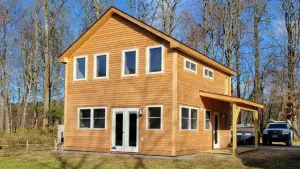
Vermont Flex Homes is an experienced ADU contractor in Windham County, VT, specializing in permitted, move-in ready accessory dwelling units, garage conversions, in-law suites, and custom ADU builds tailored to Vermont's climate and codes.
read more
Fecteau Homes
350 River Street, Montpelier, VT 05602
Fecteau Homes builds quality ADUs in Vermont, offering single & double-wide units from 720–880 sq ft. Ideal for in-law suites, rentals & guest houses. Energy-efficient, customizable floorplans with expert support from a trusted Vermont A... read more
Wheelpad
14 Castle Hill Road, Wilmington, VT 05363
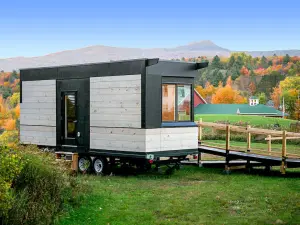
WheelPad, a Vermont company, manufactures accessible modular dwelling units (PADs) for people with mobility challenges. Models include SuitePAD, StudioPAD, SuitePAD XL, and MultiPAD, all ADA-compliant with accessibility features like ceiling hoist... read more
New Frameworks
18A Morse Drive, Burlington, VT 05452
New Frameworks builds high-performance ADUs and Casita homes using natural Vermont materials. Six models range from 314–1,200 sq ft, featuring R-38+ insulation, ERV/HRV ventilation, all-electric systems, and optional Passive House certification.... read more
New Frameworks
18A Morse Drive, Burlington, VT 05452
New Frameworks builds prefab ADUs and small homes using natural, locally sourced Vermont materials. Their Casita models range from 314 to 1,200 sq ft, featuring high R-values, all-electric systems, and optional Passive House certification.
read more
Other cities in Vermont
What you need to know
ADU Contractors in Vermont: Navigating the Green Mountain State's Housing Landscape
Vermont faces one of the most significant housing shortages in New England, with the state actively encouraging the development of Accessory Dwelling Units (ADUs) as a practical solution. In 2020, Vermont passed Act 179, which was a landmark piece of legislation requiring all municipalities to allow ADUs by right in areas zoned for single-family residential use. This means that ADU contractors in Vermont operate in a uniquely supportive legal environment, making it easier than ever for homeowners to add secondary living spaces to their properties without facing restrictive local zoning barriers.
What Vermont ADU Contractors Need to Know About Local Regulations
While state law has streamlined ADU development significantly, Vermont ADU contractors must still navigate a range of local and state-level requirements. Each municipality may have its own specific rules regarding setbacks, lot coverage, and design standards. Additionally, Vermont's Agency of Natural Resources enforces strict environmental regulations, particularly around wastewater and septic systems, which are critical considerations for ADU construction in rural areas of the state. Contractors must ensure that any new ADU is compliant with Vermont's Act 250 land use regulations if the project meets certain thresholds related to land development.
Key Services Offered by ADU Contractors in Vermont
Experienced ADU builders in Vermont offer a comprehensive range of services tailored to the state's unique climate and housing needs. Given Vermont's harsh winters and energy efficiency goals, skilled contractors focus heavily on insulation, weatherproofing, and sustainable building practices. Vermont's Efficiency Vermont program also provides incentives for energy-efficient construction, which many ADU contractors incorporate into their project planning. Common ADU types built in Vermont include:
- Detached backyard cottages and guest houses
- Attached ADUs with separate entrances
- Basement conversions and interior ADUs
- Garage conversions adapted for Vermont's climate
- Prefabricated and modular ADU structures
Permitting and Building Codes for Vermont ADU Projects
Before breaking ground, ADU contractors in Vermont must secure the appropriate permits through the local municipality and comply with the Vermont Residential Building Energy Standards (RBES). These standards mandate specific energy performance levels for new residential construction, including ADUs. Contractors must also adhere to the Vermont Fire and Building Safety Code, which aligns closely with the International Residential Code (IRC). Working with a knowledgeable local contractor ensures that all inspections and approvals are handled efficiently.
Choosing the Right ADU Contractor in Vermont
When selecting an ADU contractor in Vermont, homeowners should prioritize professionals with proven experience in local permitting processes, familiarity with Vermont's environmental regulations, and expertise in cold-climate construction techniques. Look for contractors who are:
- Licensed and insured in the state of Vermont
- Familiar with Act 179 and local zoning bylaws
- Experienced with energy-efficient building standards
- Knowledgeable about septic and wastewater requirements
- Able to provide references from completed Vermont ADU projects
Partnering with the right Vermont ADU contractor can make the difference between a smooth, code-compliant build and a costly, time-consuming project. With the state's supportive legislative framework and growing demand for affordable housing, now is an excellent time to invest in an ADU in Vermont.