ADU Contractors in Virginia
Dallan Construction Inc
4900 Fitzhugh Avenue, Richmond, VA 23230
Dallan Construction Inc offers ADU house plans ranging from 651–866 sq ft, including Cedar Creek, Cobalt Creek, Fairview Cottage, and Grady models. Options include 1–2 bedrooms, cathedral ceilings, covered patios, and in-unit laundry—ideal f... read more
Charlottesville ADU Builder
1130 East High Street, Charlottesville, VA 22902
Charlottesville ADU Builder specializes in custom accessory dwelling units, including guest houses, granny flats, and backyard offices. They guide homeowners through design, permits, and construction while providing detailed cost estimates.
read more
Home Improvement Team of Richmond
12564 Patterson Avenue, Richmond, VA 23238
Richmond's Class-A General Contractor offering kitchen & bathroom remodels, home additions, ADUs, basement finishing, decks, roofing, siding & windows. Serving Richmond, Chesterfield, Midlothian & Henrico.
read more
RIC Design Build
21 South Sheppard Street, Richmond, VA 23221
RIC Design Build is a Richmond, VA design-build firm specializing in ADU construction. They create functional accessory dwelling units, including detached garage ADUs, tailored to complement existing homes while meeting Richmond's zoning requireme... read more
Lynn Modular Homes
10412 Chamberlayne Road, Mechanicsville, VA 23116
An accessory dwelling unit (ADU) is a secondary living space on a single-family lot. Lynn Modular Homes is an experienced ADU builder offering detached ADUs, garage conversions, in-law suites, and JADUs.
read more
AHG Construction & Remodeling
9600 Atlee Station Road, Mechanicsville, VA 23116
AHG Construction & Remodeling offers home additions and structural remodeling across Greater Richmond, VA. Services include permitting, blueprints, engineering, and full construction management, typically spanning 6–8 months total.
read more
JBL Construct LLC
3060 Williams Drive, Suite 300, #78, Fairfax, VA 22031
JBL Construct LLC builds Accessory Dwelling Units (ADUs) in Northern Virginia, handling zoning, permits, design, and construction. Services cover basement conversions, garage conversions, and detached cottages. Costs range from $275–$400+ per sq... read more
Laura Peery
6726 Patterson Avenue, Richmond, VA 23226
Laura Peery is an experienced ADU contractor specializing in accessory dwelling units, garage conversions, granny flats & backyard cottages. ADUs add rental income & property value, driven by zoning reforms & remote work demand.
read more
Halsey Homes
King George, VA
Halsey Homes builds custom ADUs in Fredericksburg, VA—detached units, in-law suites, granny flats & garage conversions. With 25+ years of experience, voted Best Builder 2025. Expert ADU contractor handling design through completion.
read more
Carbide Construction
7901 Kincannon Place, Lorton, VA 22079
Carbide Construction offers modular additions, ADUs, in-law suites, and ADA-compliant builds in Northern Virginia. Since 2002, they manage design to installation, working with top manufacturers for custom, eco-friendly prefab home solutions.
read more
Modern Richmond Building Co.
Richmond, VA 23219
Modern Richmond Building Co. builds custom ADUs in Richmond, VA, including in-law suites, home offices & recreational spaces. No land purchase needed. Includes a 10-year structural warranty. Local vendors used.
read more
Alloy Workshop
1109 Rose Hill Drive, Charlottesville, VA 22903
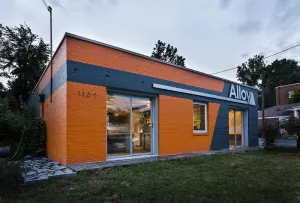
Alloy Workshop is a design-build firm specializing in accessory dwelling units (ADUs). They manage the full process from design to construction, delivering functional small homes ideal as rental units, guest rooms, or in-law suites.
read more
Evergreen Sheds
12631 Oaklake Crest Way, Richmond, VA 23112
Evergreen Sheds builds ADU shells in Virginia, offering sizes from 160–392+ sq ft. Shells start at $4,200; turnkey from $35,000. Richmond allows by-right ADUs, with rental income of $1,200–$1,600/month. Financing available.
read more
Silva Construction for Home Remodeling
2723 North Wyoming Street, Arlington, VA 22213
James River Tiny Homes
Midlothian, VA 23112
James River Tiny Homes is a Richmond, VA general contractor specializing in custom ADUs, tiny homes, garage conversions, carriage houses, and home additions. Serving Richmond, Henrico, Chesterfield, and surrounding areas.
read more
Other cities in Virginia
What you need to know
ADU Contractors in Virginia: Navigating the Commonwealth's Unique Landscape
Virginia stands out as one of the most progressive states on the East Coast when it comes to accessory dwelling units (ADUs). In 2020, the Virginia General Assembly passed legislation encouraging localities to allow ADUs by-right in single-family residential zones, making it easier for homeowners to add secondary living spaces to their properties. This landmark move has significantly increased demand for qualified ADU contractors in Virginia, as more homeowners look to take advantage of the state's evolving housing policies. Whether you're in Northern Virginia, Richmond, or the Hampton Roads area, understanding the local regulatory environment is essential before breaking ground.
What ADU Contractors in Virginia Must Know About Local Regulations
While Virginia's state legislation provides a broad framework, individual localities still maintain significant control over ADU permitting and zoning. ADU contractors in Virginia must be well-versed in the specific rules of each jurisdiction they operate in. For example, Fairfax County, Arlington County, and the City of Alexandria each have their own distinct ADU ordinances, setback requirements, and size limitations. Key regulatory considerations typically include:
- Maximum ADU square footage, often capped at 35% to 50% of the primary dwelling's size
- Owner-occupancy requirements, which vary by locality
- Setback and height restrictions specific to each county or city
- Utility connection and infrastructure requirements
- Separate entrance and parking space mandates
Licensing and Credentials for Virginia ADU Contractors
Hiring a properly licensed contractor is critical for any ADU project in Virginia. The Virginia Department of Professional and Occupational Regulation (DPOR) oversees contractor licensing in the state. ADU contractors must hold a valid Class A, B, or C contractor license depending on the scope and value of the project. Class A licenses are required for projects exceeding $120,000, while Class B covers projects between $10,000 and $120,000. Always verify that your contractor carries the appropriate license, general liability insurance, and workers' compensation coverage before signing any contracts.
Types of ADUs Built by Virginia Contractors
Experienced ADU builders in Virginia are capable of constructing a wide variety of accessory dwelling unit types to suit different property layouts and homeowner needs. The most common types include:
- Detached ADUs — standalone structures built in the backyard
- Attached ADUs — additions connected to the primary home
- Garage conversions — transforming existing garages into livable spaces
- Basement conversions — finishing or converting existing basement areas
- Interior ADUs — carving out a self-contained unit within the existing home
Choosing the Right ADU Contractor in Virginia
Selecting the right ADU contractor in Virginia can make or break your project. Look for contractors with demonstrated experience navigating Virginia's local permitting processes, a strong portfolio of completed ADU projects, and transparent pricing. A reputable contractor will handle everything from architectural design and permit applications to construction and final inspections, ensuring your ADU is built to code and adds lasting value to your property.