Understanding Detached ADUs and What They Offer
As urban living continues to evolve, many homeowners are exploring ways to add usable space to their properties without altering their existing structures. Detached accessory dwelling units — commonly referred to as backyard cottages, in-law suites, granny flats, or simply ADUs — are standalone residential structures built on the same property as a primary home. These independent units can serve a range of purposes, from housing elderly parents or adult children to functioning as a rental unit or a dedicated home office.
The key distinction between a detached and an attached ADU lies in their physical relationship to the main residence. A detached ADU stands entirely separate, offering a higher degree of privacy and autonomy. An attached ADU, by contrast, shares at least one wall with the primary dwelling. This difference affects not only how the space is used but also the regulatory requirements that apply.
In terms of size, detached ADUs can range from compact 500-square-foot studios to more substantial units of around 1,200 square feet, depending on local zoning laws. Homeowners have flexibility in design, allowing the structure to either complement the main house or reflect a distinct architectural style.
Costs, Financing, and Regulations
Building a detached ADU involves a broad range of costs. Depending on factors such as square footage, design complexity, material choices, and local labor and permitting costs, homeowners can expect to invest anywhere from $100,000 to over $350,000. Pre-built units tend to cost less than fully custom constructions, making early budgetary planning an important step in the process.
There are several ways to finance an ADU project:
- Home Equity Line of Credit (HELOC): A revolving line of credit where interest and payments apply only to the amount borrowed.
- Home Equity Loan: A lump-sum loan with a fixed interest rate, resulting in predictable monthly payments.
- Cash-Out Refinance: Replacing an existing mortgage with a larger one and using the difference to fund the ADU build.
On the regulatory side, California introduced updated ADU laws in January 2021 to streamline the building process. These statewide guidelines provide a clearer framework, though local jurisdictions like San Diego add their own requirements. For example, San Diego has specific rules around setbacks, interior layout minimums, and construction standards. State law requires living areas to be at least 70 square feet, kitchens no less than 50 square feet, and bathrooms a minimum of 30 square feet with basic fixtures. Non-compliance can result in costly corrections or required demolition.
Choosing sustainable materials, energy-efficient designs, and scheduling construction during less busy periods can help manage costs without compromising quality. Understanding local zoning and permitting requirements from the outset is equally important to avoid delays and unexpected expenses.
Planning and Building Your Detached ADU with Cabal Construction
Cabal Construction works with homeowners navigating the ADU building process, from initial design through to completed construction. As an experienced ADU contractor and detached ADU builder, they assist clients in understanding local regulations, obtaining necessary permits, and managing the construction process to ensure the finished unit aligns with the homeowner's goals.
When designing a detached ADU, several practical considerations are worth addressing early:
- Privacy: Window placement, separate entrances, and dedicated outdoor areas help maintain privacy for both the main house and the ADU.
- Universal Design: Layouts that accommodate different age groups and abilities make the unit more adaptable over time.
- Laundry Facilities: A compact washer/dryer unit adds self-sufficiency and appeal for potential renters.
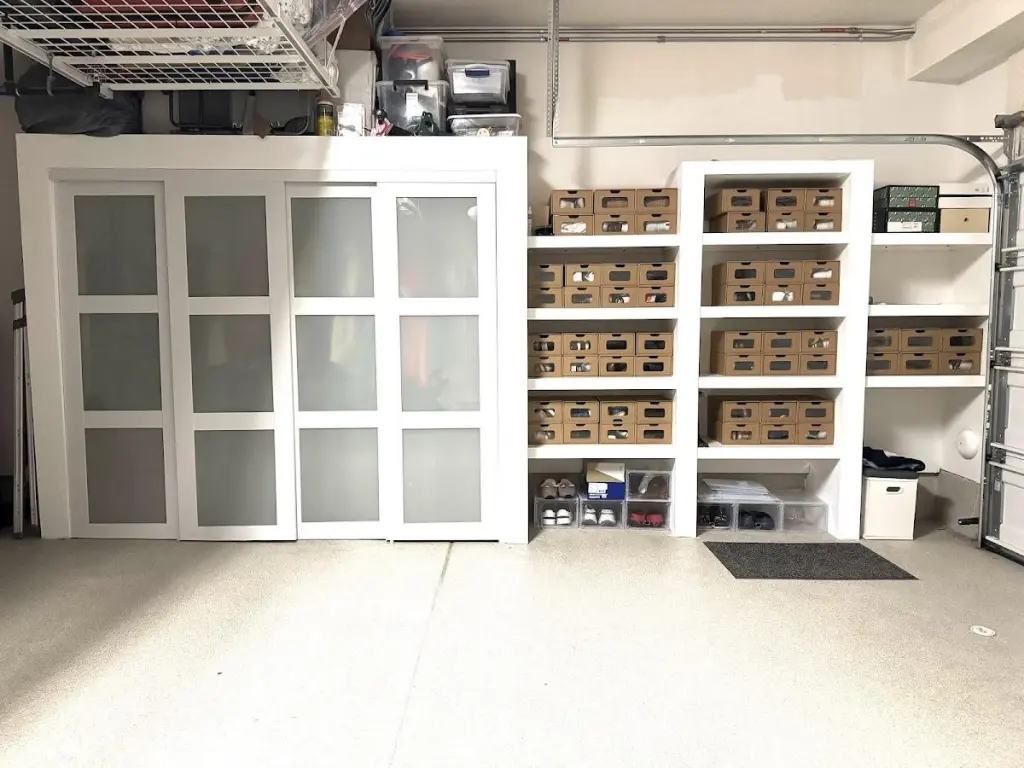
- Storage: Thoughtful storage solutions improve functionality in smaller spaces.
- Number of Bedrooms: Additional bedrooms can increase rental value, provided each meets minimum legal requirements.
Beyond the practical aspects, a detached ADU can add meaningful value to a property. It increases livable square footage, appeals to prospective buyers, and offers flexibility for changing household needs over time — whether that means housing a family member, generating rental income, or creating a dedicated workspace.
Cabal Construction brings experience in accessory dwelling unit projects to guide homeowners through each phase of the process. Their team works to ensure that design decisions, permitting requirements, and construction timelines are managed in a coordinated way, helping to reduce the complexity that often comes with ADU projects.