Understanding Accessory Dwelling Units: Key Questions Answered
An accessory dwelling unit (ADU) represents one of the most significant opportunities available to property owners in California today. Whether someone is looking to generate passive income, house a loved one, or simply add long-term value to their property, understanding the fundamentals of ADUs is essential before moving forward with any project.
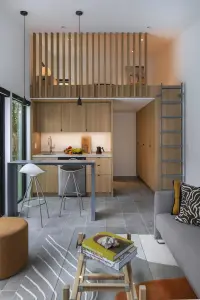
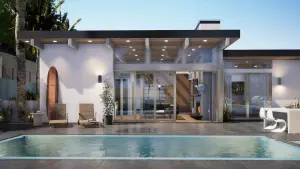
ADUs are housing units built on a property that already has an existing primary home or dwelling. They come in a wide variety of shapes and sizes, offering total customizability to suit the needs of the property owner. These structures are known by many names — in-law suites, granny flats, guest houses, and tiny homes — but they all share the same core concept. They feature their own entrances and typically include amenities such as a kitchen, living room, and bathroom. An ADU can be fully detached as a stand-alone unit, or it can be attached to the main home, including through a garage conversion or basement conversion.
Since California passed new legislation in January 2020, building an ADU has become significantly more accessible. ADU permits are now automatically approved for single-family homes, and construction is also permitted on multifamily properties. California cities are required to approve ADU applications within 60 days, and city ordinances that previously conflicted with state law have been invalidated. ADUs can even be built in HOA neighborhoods without the typical complications. ADUs constructed before 2025 do not require the owner to live on the property, and an ADU can be built simultaneously with the primary home.
ADUs as a Smart Real Estate Investment
Real estate costs in the Los Angeles and Bay Area markets are among the highest in the nation, with average property values around $1.3 million and monthly rents reaching up to $4,000 for a two- or three-bedroom unit. Building an ADU on an existing property allows owners to acquire instant equity while also creating a reliable stream of rental income.
Construction costs for a standard ADU typically range from $350 to $450 per square foot, with the cost per square foot generally decreasing as the unit gets larger due to fixed baseline expenses like plumbing and utilities. As an example, if a property owner's monthly financing payment is around $700, they could charge an affordable rent of $1,600 — generating approximately $900 in monthly cash flow. Alternatively, the unit can be listed on short-term rental platforms, where nightly rates in the Bay Area average between $250 and $300. Even renting it out just a few nights per month can cover the monthly financing installment entirely.
Financing options are available through lending partners, with average monthly installments ranging between $650 and $1,300, making ADU projects accessible to a wide range of property owners.
Additional Benefits: Elderly Care and Guest Accommodations
One of the most compelling uses of an ADU is as a nursing home alternative for elderly family members. Professional nursing care in California can cost as much as $11,000 per month for a private room. By contrast, an ADU built specifically for an aging loved one offers a comfortable, private space close to family — at a fraction of the cost. Monthly ADU financing payments averaging $650 to $1,300 represent a dramatically more affordable option while simultaneously adding equity to the property.
ADUs also serve as excellent guest houses for visiting family and friends. When not in use for personal guests, the unit can generate income as a short-term rental. This flexibility makes the ADU one of the most versatile and financially rewarding additions a property owner can make.
In summary, whether the goal is rental income, family housing, elderly care, or property value growth, an accessory dwelling unit offers a practical and financially sound solution for California property owners looking to make the most of their land.