DNM Architecture: Full-Service ADU Design and Permitting in California
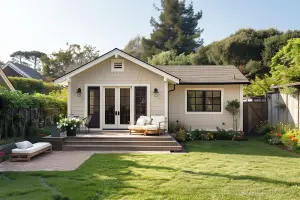
DNM Architecture is a full-service architecture firm based in California, specializing in the design and permitting of accessory dwelling units (ADUs). The firm offers a structured program — known as ADUxDNM — for property owners who are considering adding an ADU to their property, whether that means a detached ADU, a garage conversion, a backyard cottage, or a basement conversion.
The ADUxDNM process covers every stage of a project, from initial site evaluation through to construction oversight:
- Site Analysis: DNM Architecture evaluates the property to identify potential obstacles and determine the most suitable location for the ADU, taking into account zoning regulations, setbacks, and existing structures.
- Design: The firm develops a customized design based on the client's needs, preferences, and budget, including floor plans, material selection, and finishes.
- Permitting: DNM Architecture manages the permitting process, working to obtain all necessary permits and approvals from the relevant authorities.
- Construction Management: The firm can oversee construction to help keep the project on schedule and within budget.
- Sustainability: DNM Architecture incorporates green building practices where applicable, including energy-efficient systems, sustainable materials, and passive design strategies.
Why ADUs Matter
California faces an estimated shortage of nearly one million homes, with the broader United States short by close to four million units. ADUs — whether a granny flat, casita, in-law suite, or JADU — represent one practical response to this ongoing housing shortage. Unlike large apartment developments or suburban expansion, ADUs make use of existing land, infrastructure, water, and sewer systems, making them one of the more resource-efficient housing strategies available.
For property owners, ADUs offer a range of practical benefits:
- Additional living space on an existing lot
- The ability for families to live in closer proximity
- Potential rental income opportunities
- Increased property value
- Reduced commute times for occupants
- Improved sustainability compared to new large-scale development
From a regulatory standpoint, ADUs also carry a notable advantage in California. If a proposed ADU meets all applicable state design criteria, it must be approved ministerially — meaning it bypasses design review by a Planning Commission and is evaluated only against objective criteria by planning staff. A complete permit application must be processed within 30 days, or 60 days for larger multi-ADU projects.
ADUs can also be built on lots that would not typically allow additional dwellings, such as those zoned for single-family homes. A studio or one-bedroom ADU is generally limited to 850 square feet, while a two-or-more-bedroom ADU can be up to 1,000 square feet or 50% of the primary dwelling's floor area, whichever is greater.
ADU Design Options from DNM Architecture
DNM Architecture has developed a range of ADU designs suited to different lot types, budgets, and uses. These include:
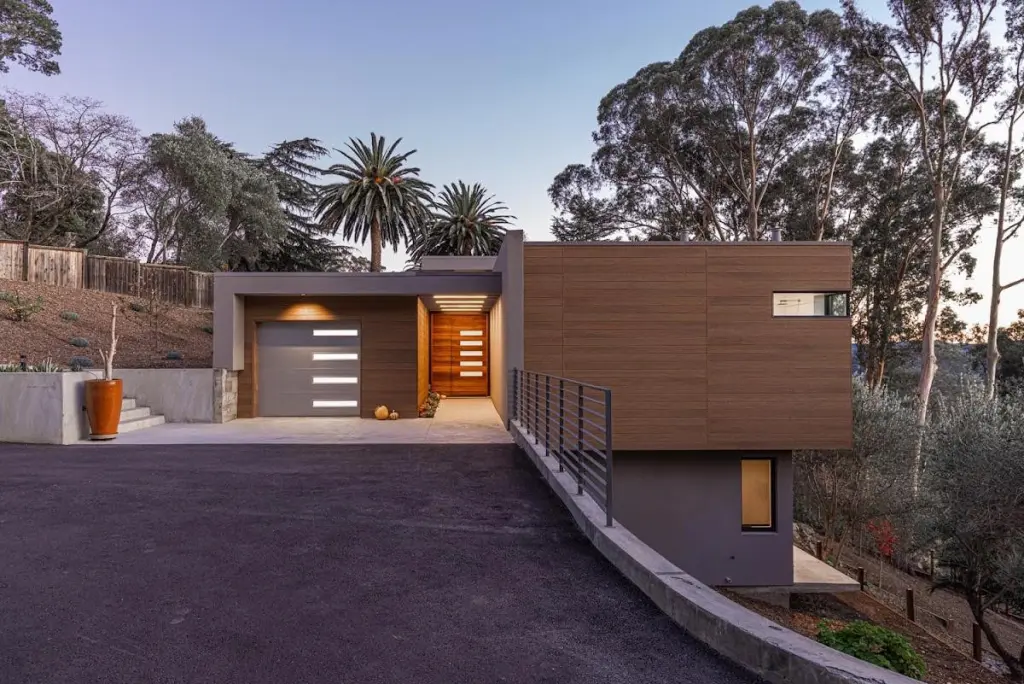
- 600 sq ft ADU: A compact one-bedroom unit designed for a down-sloping lot, featuring a contemporary exterior, open living space, quartz countertops, stainless steel appliances, and an attached two-car garage.
- 605 sq ft Hillside ADU: A modern studio or office space with large sliding doors opening onto a terrace. Suitable as a guest apartment, rental unit, or creative workspace, with options for high-end finishes and custom cabinetry.
- 645 sq ft Urban ADU: A one-bedroom unit with a cubist-inspired design, suited to urban settings. Features a minimalist interior with bold color accents, a rear patio, and a well-equipped compact kitchen.
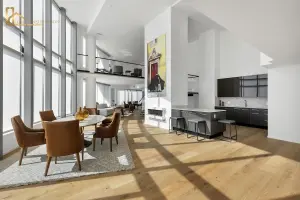
- 1,000 sq ft Two-Bedroom ADU: Designed for sloped lots, this larger unit includes two bedrooms, two bathrooms, a high-ceiling living area, open kitchen and dining space, a roof deck, and natural wood finishes throughout.
Each design reflects DNM Architecture's approach to balancing functionality, aesthetics, and site-specific constraints. The firm works with clients to adapt these designs or develop entirely custom solutions depending on the property and the client's goals.