Building an ADU in Colorado Springs with Live Dream Colorado
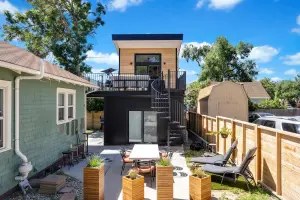
Live Dream Colorado (LDC) works with property owners in the Colorado Springs area who are looking to add an Accessory Dwelling Unit (ADU) to their property. An ADU is a secondary residential unit that is smaller than the primary residence and can be either attached or detached. Detached ADUs are sometimes referred to as backyard cottages or granny flats, while attached ADUs are commonly known as in-law suites or mother-in-law suites.
Adding an ADU can be a practical way to increase the utility and value of a property, whether the goal is to house family members, generate rental income, or simply make better use of available space. LDC helps guide property owners through the process, starting with understanding what the City of Colorado Springs planning department allows.
Understanding Zoning and What's Permitted
Before any construction begins, zoning is the first thing to confirm. The zoning designation of a property determines whether an ADU is permitted at all, and if so, which type. In Colorado Springs, the following applies:
- Attached ADUs are permitted in residential zones R, R-1 9000, and R-1 6000. These can include additions to the back or side of a home, finished basements, or finished attic living quarters. The unit must remain physically connected to the main home — a separate structure is not allowed under these zonings.
- Detached ADUs are permitted in zones A, R-2, R-4, R-5, SU, OR, OC, and C-5. A detached ADU is a separate structure on the same lot as the primary residence.
Lot size is another key factor. Each zoning category has a minimum lot size requirement that must be met before an ADU can be considered. For example, a property zoned R-1 9000 must have a lot of at least 9,000 square feet, while R-2 and R-4 zoned lots require a minimum of 5,000 square feet.
Additional Requirements to Review
Once zoning and lot size have been confirmed, there are further requirements to evaluate before moving forward with an ADU builder like LDC. These vary depending on whether the project involves an attached or detached ADU, and include considerations such as:
- Building height restrictions
- Setback requirements
- Maximum ADU size
- Parking requirements
- Maximum lot coverage allowances
There are also important restrictions to be aware of. Owner occupancy is required, meaning the property owner must live on-site — either in the primary residence or the ADU. Subdividing the lot is not permitted. Maximum lot coverage allowances should be confirmed directly with the City of Colorado Springs.
LDC works with clients to navigate these requirements as part of the planning and construction process. Whether the project involves a detached ADU, an attached in-law suite, or a garage conversion, understanding the regulatory framework is an essential first step before any building begins.