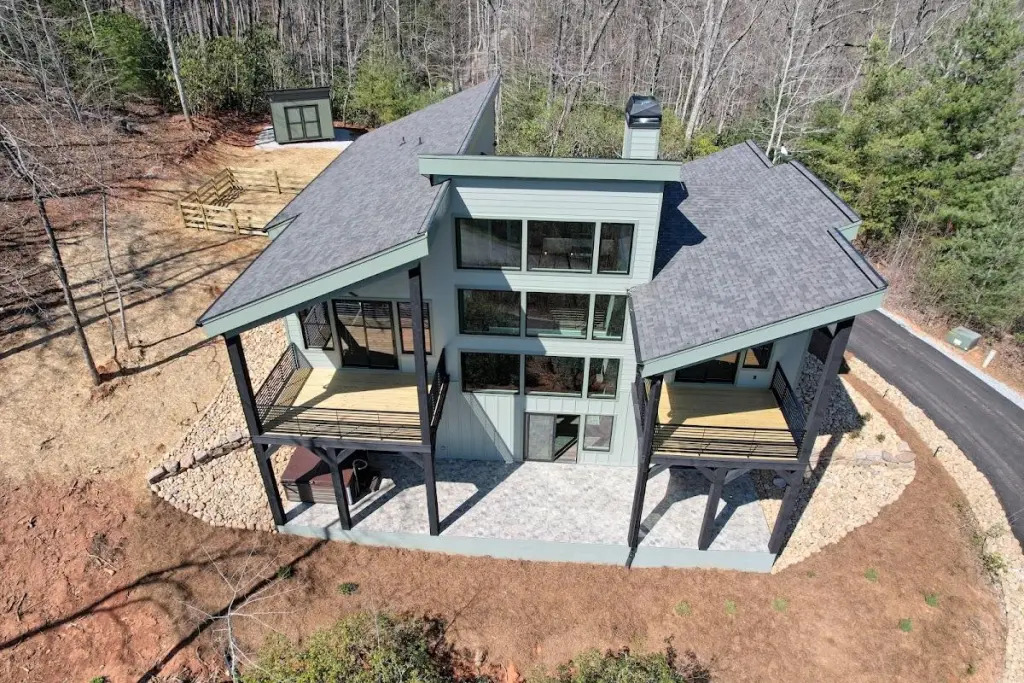
What Is an Accessory Dwelling Unit (ADU)?
An accessory dwelling unit, commonly referred to as an ADU, is a type of housing unit that can be either attached to or detached from a primary residence. These units go by several names depending on the region and context, including in-law suites, casitas, granny flats, and secondary dwellings. They can serve a range of purposes, from housing family members to generating rental income.
There are several common types of ADUs that homeowners consider:
- Attic or basement conversions – Existing spaces within a home that are transformed into livable units.
- Detached ADUs – Separate structures on the property, such as a backyard cottage, tiny home, or full-sized secondary dwelling.
- Attached ADUs – A new addition built onto the existing home to create additional living space.
- Garage conversions – Converting an existing garage or building an over-garage apartment into a functional living area.
Homeowners build ADUs for a variety of reasons. Common uses include renting the unit out as a long-term apartment or short-term rental, providing housing for aging parents or adult children, creating a dedicated home office, or simply gaining additional space for hobbies, fitness, or other activities.
From a financial standpoint, ADUs can offer several practical benefits:
- Increased property value
- Long-term rental income potential
- Possible tax deductions related to short-term rental expenses
- Better use of underutilized space on an existing property
Building an ADU with Covenant Homes
Covenant Homes is a custom home builder operating in Florida, North Georgia, and surrounding areas. Their team includes designers, licensed builders, architects, contractors, and project managers. As a fully custom builder, they work with homeowners to incorporate the features and specifications they want — including ADUs as part of a broader property build.
It's worth noting that their ADU services differ by location. In Florida, Covenant Homes currently builds ADUs only as part of a full home build project. In Georgia, they are able to build an ADU on an existing lot or piece of land independently of a full home build.
Before beginning construction, homeowners are encouraged to establish a budget, determine the size and features needed, and look into local zoning regulations. These rules can vary significantly by neighborhood, city, or county. Covenant Homes can assist clients in researching applicable zoning codes as part of their process.
The ADU Building Process
Covenant Homes follows a structured five-step process for ADU construction:
- Consultation – An initial discussion to understand the client's vision, budget, and requirements.
- Preliminary Design or Home Selection – Clients can choose from existing models and make adjustments, or pursue a fully custom design. Significant structural changes may shift the project into a custom home process.
- Building Contract – Once pricing, plans, and specifications are agreed upon, a building contract is prepared and signed. Final design then moves to engineering.
- Permitting – After engineering is finalized, plans are submitted to the relevant permitting authorities.
- Build – Construction begins once a building permit is approved. The typical build time is approximately 12 months from groundbreaking.
Covenant Homes aims to guide clients through each stage of the process, ensuring the finished unit aligns with the original specifications. For those who already own a lot or are looking for land to build on, Covenant Homes can assist in both scenarios — either working with an existing property or helping identify a suitable lot.