
Understanding ADU Costs and What Influences Them
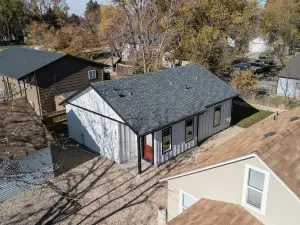
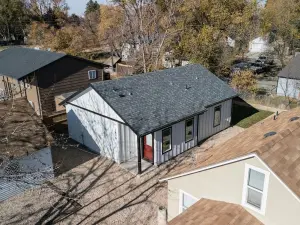
When planning an accessory dwelling unit, one of the first questions homeowners have is about cost. As any experienced ADU contractor will explain, the total investment depends on several key factors. The type of ADU being built plays a significant role — attached units generally cost less than detached ADUs due to shared walls and existing utility connections. A detached ADU builder will note that separate foundations and independent utility runs typically drive up expenses for standalone structures.
Beyond the basic structure type, design complexity and material selections also have a meaningful impact on the final price. Site conditions such as slope, soil quality, and access can further affect what a project ultimately costs. Required upgrades to existing systems — electrical, plumbing, or structural — are additional variables that a qualified ADU builder will assess during the early stages of planning.
Checking ADU Eligibility in Boise
Before breaking ground, it's important to confirm whether a property qualifies for an ADU. Homeowners in Boise can review their property's zoning through the City of Boise planning resources or official zoning maps. Key eligibility factors include:
- Lot size and available square footage
- Required setbacks from property lines
- Height restrictions for new structures
- Whether detached ADUs or granny flats are permitted in the zone
Working with a knowledgeable ADU contractor or designer during early planning is highly recommended. They can confirm zoning compliance and identify any code requirements that need to be addressed before design work begins, helping to avoid costly surprises later in the process.
The Benefits of Building an ADU
There are compelling reasons why more homeowners are turning to accessory dwelling unit builders to add space to their properties. ADUs offer a range of practical advantages, including:
- Rental income potential — a backyard cottage or Casita can generate consistent monthly revenue
- Multigenerational living — an in-law suite builder can create a comfortable, private space for family members
- Increased property value — adding a livable unit enhances long-term real estate worth
- Housing flexibility — the space can adapt over time to meet changing needs
ADUs are a smart way to maximize existing land without the expense and disruption of relocating. Whether it's a garage conversion contractor transforming an underused space or a JADU contractor creating a junior accessory dwelling unit within the home, the options are varied and valuable.
Water and sewer upgrades are another important consideration. Costs in this area vary based on line capacity, distance from existing connections, and local city requirements. If existing systems need resizing or replacement to support the new unit, expenses can increase. These needs are typically identified during the design and permitting phase, allowing the project team to plan accordingly and avoid construction delays.