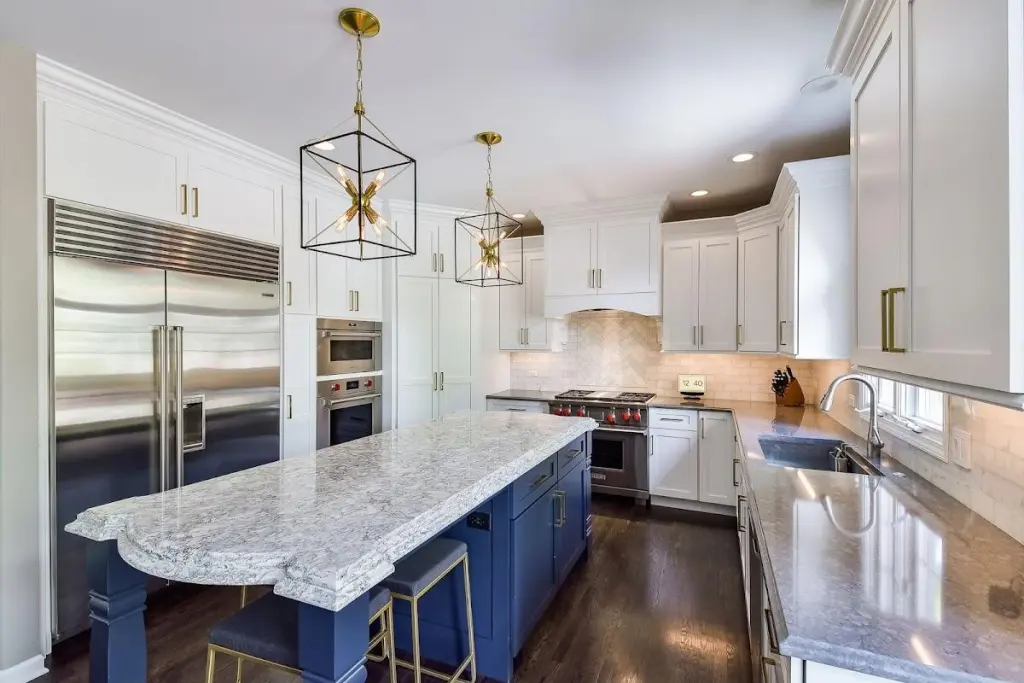

FBC Remodel Naperville: Home Additions Using the Design-Build Approach
FBC Remodel Naperville takes a different path than the traditional remodeling process. Rather than hiring a separate architect and then bidding out plans to independent general contractors — a method that often leads to cost overruns and communication breakdowns — they operate under a Design-Build model. This means the architect, interior designer, and construction team all work together under one roof from the very beginning of a project.
The practical advantages of this approach include more accurate budgeting during the design phase, fewer communication gaps, and a single point of accountability throughout the project. For homeowners, this generally translates to a more predictable and less stressful experience.
What Drives the Cost of a Home Extension?
Several factors tend to have the most significant impact on the overall budget for a home extension project. These include:
- Relocating major mechanical systems such as plumbing and electrical
- Expanding the footprint into adjacent rooms
- Updating flooring throughout connected areas
- Specialty finishes and materials
FBC Remodel Naperville works with clients to prioritize elements that deliver the most value within a given budget. Their team can help optimize designs for cost-efficiency and explore available options. They also offer guaranteed pricing and completion dates, which provides homeowners with a clearer picture of what to expect financially and logistically.
As for whether clients need to move out during construction — most do not. The majority of homeowners remain in their homes throughout the project, though some limited access to certain areas should be expected. FBC Remodel provides a detailed schedule in advance so clients can plan accordingly.
Permits are a required part of any home addition project. Any work that involves adding square footage, altering the home's structure, or modifying plumbing, electrical, or HVAC systems requires permits from the local municipality. FBC Remodel handles all permit applications, submissions, and inspections as part of their standard service, ensuring compliance with local zoning and building codes.
Design Process, Timelines, and What to Expect
To minimize surprises during construction, FBC Remodel uses 3D renderings and conducts detailed design meetings with clients. This allows homeowners to visualize the finished result and request changes before any building begins.
Ensuring that a new addition integrates naturally with the existing home is a key part of their design process. Their team pays close attention to exterior elements such as roofing, siding, brick, and window styles, as well as interior details like floor transitions, trim, and millwork — all aimed at creating a cohesive result.
In terms of timeline, home addition projects at FBC Remodel are generally broken into two phases:
- Design & Pre-Construction (typically 2–4 months): Covers initial consultation, architectural drawings, material selections, engineering, final design approval, and permit acquisition.
- Construction (typically 3–8+ months): The physical build, from foundation work through final finishing touches. A project manager provides a phase-by-phase schedule and keeps clients updated throughout.
From an investment standpoint, a well-executed home addition is generally considered one of the more effective ways to add resale value, particularly when it increases functional square footage such as bedrooms or bathrooms. That said, FBC Remodel also emphasizes the day-to-day quality-of-life improvements a successful addition can bring — solving space problems and allowing homeowners to better enjoy their home over the long term.