What Is an Accessory Dwelling Unit (ADU)?
Leland's Cabins works in the accessory dwelling unit (ADU) space, offering options for homeowners looking to add a livable structure to their existing property. Whether the goal is housing an aging relative, providing an affordable space for a college student, generating rental income, or simply increasing property value, an ADU can serve as a practical solution.
Zoning laws classify accessory dwelling units as legal, habitable living spaces built to residential codes, added to a property that already has a primary home on it. Unlike a finished shed or informal conversion, the term "ADU" is a recognized legal housing classification. Each state, county, and city then defines within its jurisdiction what the specific allowances are — including size limits, setback requirements, and permitted construction methods.
Some areas classify ADUs as under 500 square feet, while others use a formula based on the size of the existing dwelling, and some allow up to 1,100 square feet. Checking with local authorities or doing a quick search for your county or city's regulations is an important first step before starting any ADU project.
A 2020 Porch Survey found that homes with an ADU saw a median resale value increase of around 45% compared to homes without one. Beyond resale value, ADUs have also proven to be a source of long-term passive income for many homeowners.
Site-Built vs. Factory-Built ADUs
Accessory dwelling units can be constructed in two primary ways: built on-site (also called stick-built or site-built) or factory-built and delivered to the property.
Site-built ADUs are assembled entirely on location. This method offers more flexibility in design and materials — including options like stone, brick, or other masonry finishes that may not be available with factory-built units. Site-built ADUs can also be easier to navigate through certain local regulatory requirements. The trade-off is that the construction timeline is typically longer.
Factory-built ADUs, including modular prefab units, are constructed offsite and then transported to the property. These units generally have shorter lead times and can be less expensive than site-built options. However, they offer less design flexibility due to transportation constraints. If considering a factory-built ADU, it's important to verify local codes — many areas require either a modular certification (built to International Residential Codes, or IRC) or a HUD label, depending on the zoning classification of the area.
Modular prefab ADU manufacturers typically offer studio, one-bedroom, and two-bedroom configurations, along with choices in flooring, roofing, exterior cladding, and interior finishes.
Important Considerations Before Purchasing an ADU
Before investing in any ADU — whether factory-built or site-built — there are a few key questions worth asking:
- Is the structure built to residential codes? All ADUs intended as living spaces must meet minimum residential building standards. This applies whether the unit is a prefab cabin, a modular unit, or a site-built structure.
- What specific codes does the builder follow? A reputable builder should be able to clearly state whether they build to IRC (modular) or HUD codes, and provide documentation to support that.
- Is the builder registered with your state? States tend to be particular about factory-built living spaces. Verifying that a builder is registered as a modular or HUD builder with your state is a straightforward way to confirm legitimacy.
ADUs are also capable of being designed with handicap-accessible features, which is worth considering for families housing elderly relatives. Features such as grab bars, appropriate turning radiuses for wheelchairs, and accessible vanities can be incorporated into both site-built and factory-built units. Checking with the builder about available accessible floor plans is recommended.
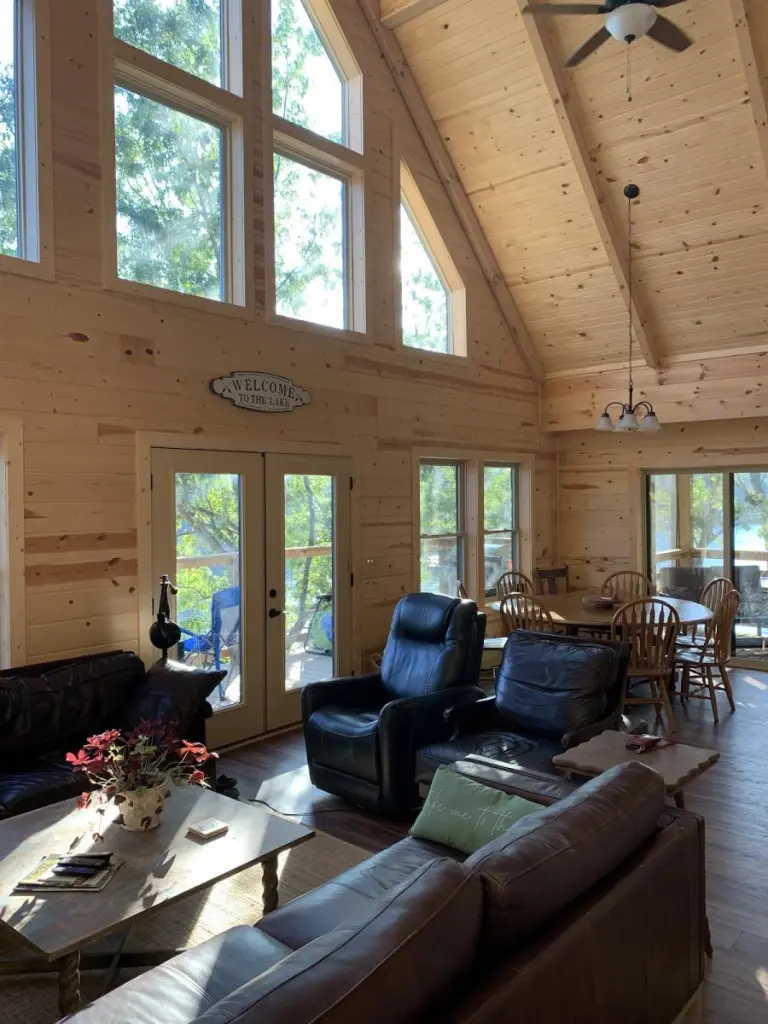
Leland's Cabins operates within this ADU space, providing cabin-style accessory dwelling unit options that are built to code. For anyone exploring ADU solutions — whether as a backyard cottage, in-law suite, granny flat, or detached ADU — understanding the construction method, local regulations, and builder credentials are all essential parts of making an informed decision.