FBC Remodel St. Louis Park: Home Additions Using the Design-Build Approach
FBC Remodel St. Louis Park handles home additions through a Design-Build model, which differs from the traditional approach of hiring a separate architect and then bidding out plans to independent general contractors. That conventional method often results in cost overruns and communication gaps between parties. With FBC Remodel's approach, the architect, interior designer, and construction team all work together under one roof from the start of the project.
The practical benefits of this model include more accurate budgeting during the design phase, streamlined communication, and a single point of accountability throughout the project. For homeowners, this generally means a more predictable and less stressful experience overall.
What Drives the Cost of a Home Extension?
Several factors tend to have the most significant impact on the budget for a home extension:
- Relocating major mechanical systems such as plumbing and electrical
- Expanding the space into adjoining rooms
- Updating flooring throughout connected areas
- Specialty finishes and materials
FBC Remodel works with clients to prioritize elements that deliver the most value within their budget. Their team can assist in optimizing designs for cost savings and exploring available options. They also offer guaranteed pricing and completion dates, which provides a degree of financial certainty that can be difficult to achieve with a fragmented contractor setup.
Most clients are able to remain in their homes during a home extension project, though some limited access during construction should be expected. FBC Remodel provides a detailed schedule in advance so homeowners can plan accordingly for daily routines.
Permits, Design Changes, and Project Timelines
Any project that involves adding square footage, altering the home's structure, or modifying plumbing, electrical, or HVAC systems requires permits from the local municipality. FBC Remodel manages this process as part of their service — handling paperwork, submissions, and inspections to ensure compliance with local zoning and building codes.
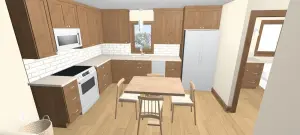
During the design phase, FBC Remodel uses 3D renderings and detailed planning meetings to give clients a clear picture of the finished result before construction begins. This allows for changes to be made early, reducing the likelihood of surprises or regrets once work is underway.
Ensuring that a new addition integrates well with the existing home is a key part of their design process. This includes matching exterior elements such as roofing, siding, brick, and window styles, as well as maintaining consistent interior details like floor transitions, trim, and millwork.
In terms of timeline, a typical home addition project is broken into two phases:
- Design & Pre-Construction — typically 2 to 4 months, covering consultation, architectural drawings, material selections, engineering, and permit acquisition.
- Construction — typically 3 to 8 or more months, depending on the size and complexity of the project.
A project manager provides a phase-by-phase schedule before work begins, and a project management system keeps clients informed of progress and milestones throughout the build.
From a return on investment standpoint, a well-planned home addition is generally considered one of the more effective ways to add resale value, particularly when it increases functional square footage such as bedrooms or bathrooms. Beyond financial return, the practical benefit of solving space problems and improving daily life in the home is often cited as a significant motivator for homeowners undertaking this type of project.