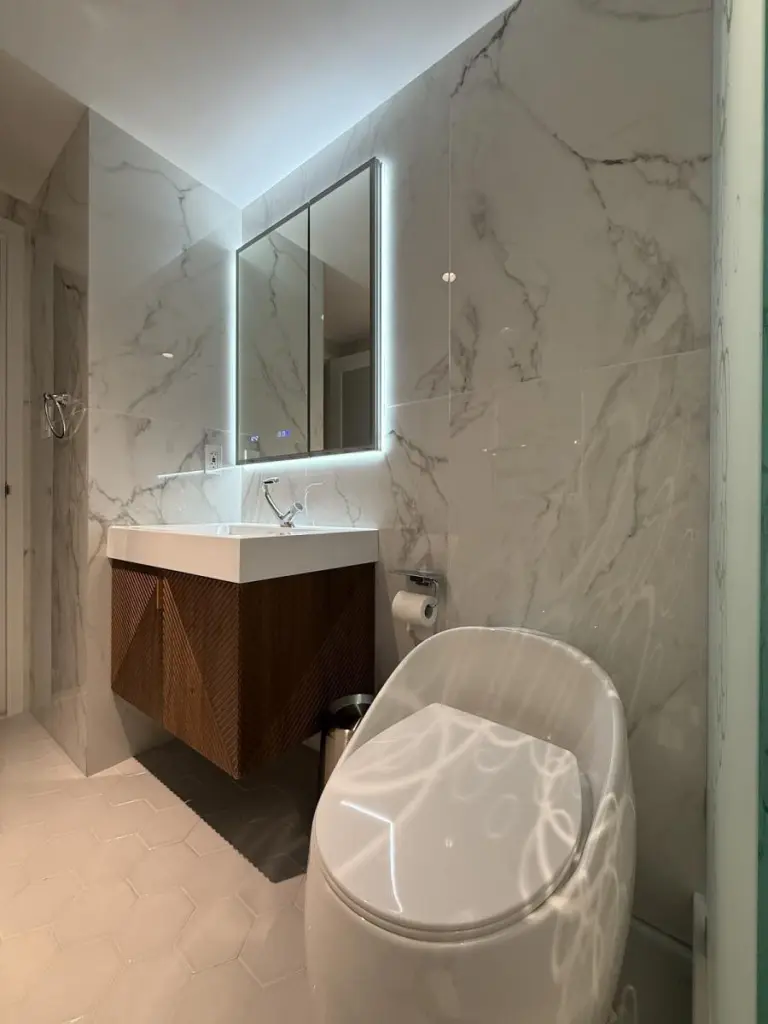
Dacaj Construction: ADU Contractor Serving NYC, Westchester, and Nassau County
Dacaj Construction is an ADU contractor working with homeowners across New York City, Westchester, and Nassau County. With decades of experience converting garages, basements, and attics into legal dwelling units, they bring practical knowledge to a process that has become more accessible — but no less complex — following recent changes to New York City zoning law.
If you own a one- or two-family home in NYC, you may now have the legal ability to add a second unit to your property — whether as a rental, an in-law suite, or an income-generating space. However, eligibility is not automatic, and Dacaj Construction's approach starts with confirming whether a given lot actually qualifies before any design work begins.
What Dacaj Construction Builds as an ADU Builder
An accessory dwelling unit is a self-contained home on the same lot as a primary residence. It includes its own kitchen, bathroom, and entrance, and under current NYC rules can be up to 800 square feet. Dacaj Construction works across the main ADU types:
- Garage conversion — converting an existing attached or detached garage into a livable unit
- Basement or cellar ADU — finishing and legally converting below-grade space where zoning and flood rules permit
- Attic conversion — transforming upper-floor space into a separate dwelling
- Attached addition — building a new unit connected to the existing home
- Detached backyard cottage — a freestanding structure built from the ground up on the rear of the lot
What distinguishes a legal ADU from simply a "finished basement" is the certificate of occupancy. That legal status is what allows the unit to be rented, properly insured, and counted toward the home's value. Dacaj Construction manages the full process through to that final certificate.
The December 2024 adoption of City of Yes for Housing Opportunity — enacted through Local Laws 126 and 127 — formally defined and permitted ADUs in NYC's zoning code for the first time. Through 2025, the Department of Buildings finalized its rules, opened the application process, and launched a pre-approved plan library. Applications are filed through the DOB NOW: Build system. This is now a real, permittable path — for properties that meet the requirements.
Eligibility, Costs, and the Approval Process
ADUs are permitted on one- and two-family homes only — not attached row houses, townhomes, or multi-unit buildings. Owner-occupancy is required, and only one ADU is allowed per lot. Importantly, even among qualifying home types, only roughly one in eight NYC lots clears all the zoning, dimensional, and flood-zone requirements. That is why Dacaj Construction treats eligibility confirmation as the essential first step.
Several rules commonly disqualify properties:
- Flood zones — basement and cellar ADUs are not permitted in FEMA Special Flood Hazard Areas, Coastal Flood Risk Areas, or DEP 10-year rainfall flood risk zones
- Historic districts and certain low-density zoning districts (R1-2A, R2A, R3A) — detached ADUs are not allowed in these areas
- Rear yard coverage — a detached ADU cannot cover more than one-third of the required rear yard
- Two-family homes — adding certain ADU types may trigger New York State Multiple Dwelling Law requirements, which carry additional fire-separation and code obligations
On cost, Dacaj Construction works across the full range of ADU types. Converting existing space — a garage or a dry basement — is generally the most affordable path. A detached backyard cottage built from the ground up carries the highest cost, given foundation work, separate systems, and utility connections. NYC labor and permitting costs sit at the higher end of the national range, and a realistic budget for most projects runs into six figures.
The approval process follows a consistent sequence: confirm zoning eligibility, engage a licensed architect or use a DOB pre-approved plan, file through DOB NOW: Build, obtain permits, complete construction with inspections, and receive the certificate of occupancy. Realistically, the timeline from application to certificate runs anywhere from three months to a year depending on project scope and filing quality.
For homeowners in Westchester and Nassau County, City of Yes does not apply — ADU rules there are set municipality by municipality. Dacaj Construction's experience in those areas means they are familiar with the variation in local codes, owner-occupancy requirements, and size restrictions that differ from town to town.
For properties that do qualify, a legal ADU can generate meaningful rental income — a one-bedroom unit in Brooklyn or Queens can rent for roughly $1,800 to $3,000 per month — while also adding to the home's overall value. The key is confirming eligibility before committing to design or budget. Dacaj Construction's process is built around that sequence.