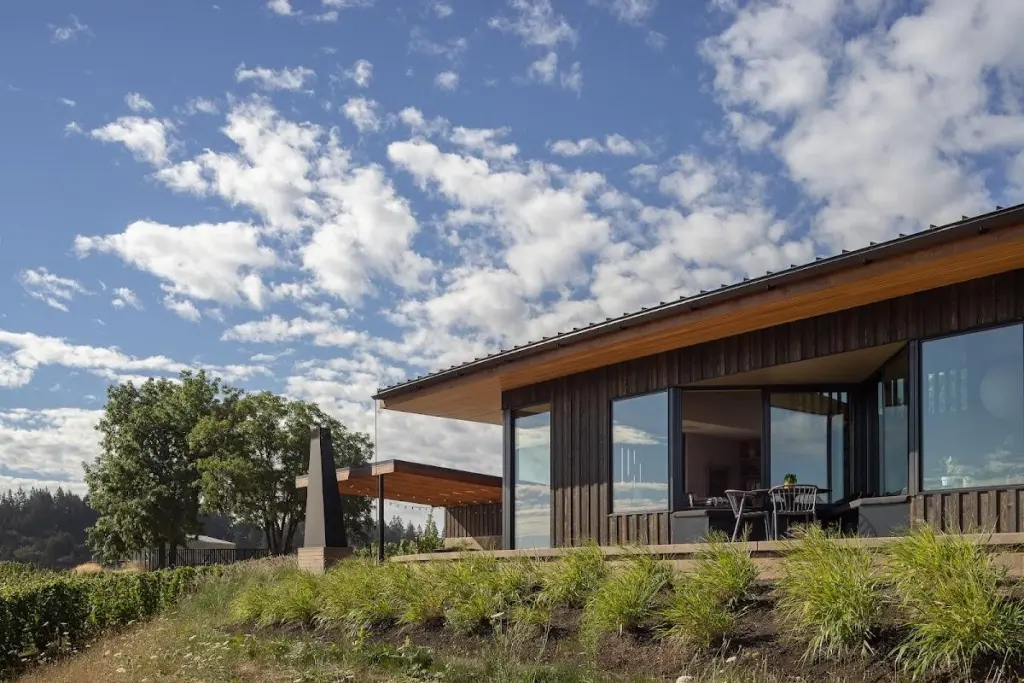

Accessory Dwelling Units by Hammer & Hand
Changes in Portland and Seattle building codes have made Accessory Dwelling Units (ADUs) a more practical option for homeowners than they once were. Whether the goal is generating rental income, housing a family member nearby, or planning for retirement, ADUs offer a range of possibilities within a compact footprint.
ADUs go by many names — granny flats, in-law apartments, backyard cottages, or mother-in-law suites. Regardless of what they're called, they share a common characteristic: a self-contained dwelling that is within, attached to, or adjacent to a single-family home. Each unit typically has its own entrance, along with separate living, sleeping, kitchen, and bathroom facilities.
The main types of ADUs include:
- Converting an existing living area
- Finishing an existing basement or attic
- Building a new freestanding detached ADU
- Adding onto an existing structure, such as a garage conversion
Beyond personal benefits, ADUs contribute to housing availability in cities like Portland and Seattle, where real estate markets remain competitive, while generally preserving the character of existing neighborhoods.
What to Consider Before Building an ADU
Building an ADU requires careful planning. The right approach depends on a thorough understanding of the property, the existing home, and local zoning regulations. Key considerations include:
- Square footage limits and building setbacks set by the city
- Entrance location requirements
- Community design standards or historic overlays (particularly in Portland)
- Impact on utilities, water, sanitary and storm sewers, or septic systems
- Whether existing electrical service can handle the additional load
- Portland's tree code, which may affect site planning
Both Portland and Seattle require a building permit. Portland also requires a design review process. Researching these requirements early helps avoid complications later in the project.
Cost is another important factor. The overall price of an ADU depends on several variables, including whether it is attached or detached, the level of infrastructure upgrades needed, and the quality of finishes selected. Detached ADUs — sometimes called DADUs — tend to cost more, as they involve a full foundation, exterior walls, and roof, much like building a new home. Generally, stand-alone ADUs built by Hammer & Hand start at a couple hundred thousand dollars in construction cost, with the final figure varying based on design choices.
Design fees typically run between 8–15% of construction costs, depending on the scope of services and the designer chosen. In Portland, System Development Charges (SDCs) may also apply, though the city has at times suspended these charges under certain conditions, potentially saving homeowners over $10,000. In Seattle, sewer, electrical, and construction fees based on square footage often total between $4,000 and $6,000.
How Hammer & Hand Approaches ADU Projects
Hammer & Hand has built a number of ADUs in both Portland and Seattle. They can walk a site with prospective clients, identify potential concerns early, and help clarify project goals. If a client already has an architect and plans in place, Hammer & Hand can work with those. If not, they can refer clients to architects experienced in ADU design once the project scope and style have been established.
The team can also connect clients with lenders familiar with ADU financing and appraisers who understand how ADUs are valued — both of which can be useful resources during the planning process.
For those researching an accessory dwelling unit project, useful starting points include the City of Portland's ADU Program Guide, Portland Maps for zoning and property history, and the City of Seattle's Attached ADU and Backyard Cottage Permitting Guides. These resources cover permitting processes, plan review requirements, and the specific rules that apply to each city.
Building an ADU is a significant undertaking that involves navigating design, permitting, construction, and cost planning. Hammer & Hand offers experience across these areas for homeowners in the Portland and Seattle markets considering this type of project.