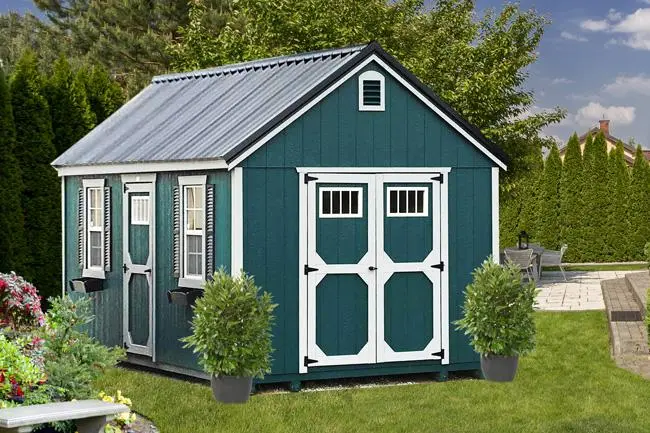
Understanding ADUs in Virginia: What Premier Structures Can Help You Build
Accessory Dwelling Units (ADUs) are becoming increasingly common across Virginia. Whether it's a backyard cottage, a garage conversion, or a basement apartment, these structures offer property owners a flexible way to add living space, accommodate family members, or generate rental income. Premier Structures works with homeowners navigating this process, helping them understand what's involved in building an ADU on their property.
In Virginia, an ADU is defined as a secondary living space located on the same lot as a primary residence. To qualify as an ADU, the structure must include its own kitchen, bathroom, and sleeping area. It must also be a permanent structure — not an RV or mobile home — and it must comply with local zoning and building codes.
There are several types of ADUs that Premier Structures can assist with:
- Detached ADU — A stand-alone structure such as a backyard cottage or granny flat, separate from the main home.
- Attached ADU — A living space physically connected to the primary residence, such as a home addition or garage conversion.
- Interior ADU — A self-contained unit built within the existing home, commonly a basement or attic conversion.
As an experienced ADU contractor operating in Virginia, Premier Structures is familiar with the range of structures that fall under ADU classifications, including detached ADU builds, in-law suites, Casitas, and JADU (Junior Accessory Dwelling Unit) projects.
Virginia ADU Regulations: Key Requirements to Know
Virginia state law is generally supportive of ADU development, but the specific rules are set at the local level. This means regulations can vary significantly from one county or city to the next. Here are some general guidelines that apply across much of the state:
- Size: Most ADUs in Virginia range from 250 to 1,200 square feet.
- Height: Structures are typically limited to between 16 and 25 feet tall.
- Zoning: ADUs are generally permitted in single-family residential zones (R-1, R-2, etc.), though some areas impose additional conditions.
- Setbacks: Many localities require ADUs to be set back 5 to 10 feet from property lines.
- Parking: Some jurisdictions require an additional off-street parking space, while others — particularly in urban areas — do not.
- Utilities: Depending on the location, an ADU may share utilities with the main home or require separate meters.
- Permits: Building an ADU requires zoning approval, construction plans, and inspections regardless of location.
It's also worth noting that Park Model Homes are not classified as ADUs in Virginia. Because they are designed to be portable and typically fall under 400 square feet, they are categorized as RVs under Virginia law. This means they are generally restricted to RV parks or campgrounds and do not meet the requirements for a permanent ADU, which must have a solid foundation and proper connections to water, electricity, and sewer systems.
ADU Rules Vary by County Across Virginia
While ADUs are technically permitted throughout Virginia, whether a specific property qualifies for one depends entirely on local zoning designations and regulations. Each county — and in many cases individual cities and towns — sets its own rules regarding where ADUs are allowed, minimum lot sizes, occupancy requirements, and more.
Some localities have straightforward approval processes for ADU construction, while others impose stricter conditions. Before moving forward with any ADU project, property owners are advised to consult their county or city's planning and zoning department to confirm what applies to their specific location.
Premier Structures, as an ADU builder with experience across Virginia, can help guide clients through the planning and permitting process. From backyard cottage builder projects to garage conversion contractor work and in-law suite construction, they bring practical knowledge of what's required to get an ADU built correctly and in compliance with local regulations.
If you're considering adding an accessory dwelling unit to your property in Virginia, understanding the local rules is an essential first step — and working with a knowledgeable ADU contractor like Premier Structures can help make that process more manageable.