ADU Contractors in Georgia
Cambria Construction Group
630 Olympic Drive, Athens, GA 30605
Cambria Construction Group builds ADUs in Athens, GA, including detached units, garage conversions, and backyard cottages. Services support multi-generational living, rental income, and flexible space, tailored to each homeowner's property and nee... read more
Augusta Custom ADU Builders
485 Columbia Industrial Boulevard, Augusta, GA 30809
Augusta Custom ADU Builders specializes in accessory dwelling units including tiny homes, guest houses, granny flats, and backyard offices. They offer transparent pricing, financing guidance, and expert ADU construction services throughout Augusta... read more
Yanover Construction
13010 Morris Road, Alpharetta, GA 30004
Yanover Construction builds custom detached ADUs in Alpharetta, Milton, Roswell & Johns Creek. This licensed family-owned ADU contractor offers full design-build services for granny flats, in-law suites & backyard cottages across North Atl... read more
Level5 Builders LLC
3727 Chattahoochee Summit Drive, Atlanta, GA 30339
Level5 Builders LLC is an Atlanta, GA ADU contractor with 26+ years of experience. They specialize in accessory dwelling units, JADUs, garage conversions, handling permits, architectural plans, and site engineering for homeowners.
read more
Level 5 Builders LLC
3727 Chattahoochee Summit Dr SE, Atlanta, GA 30339
Level 5 Builders LLC is an Atlanta, GA ADU contractor with 26+ years of experience. Specializing in accessory dwelling units and JADUs, they help homeowners add affordable secondary housing for family, guests, or rental income.
read more
Cottage Smith
536 South Columbia Drive, Atlanta, GA 30030
Expertly Crafted ADUs Designed to Enhance Your Home and Lifestyle
At Cottage Smith, we’re trusted ADU builders in Atlanta, bringing your vision to life with precision, creativity, and expertise. From the initial concept to the final build,... read more
SmartSpaces ADUs
3777 Peachtree Road Northeast, Brookhaven, GA 30319
SmartSpaces ADUs offers a simple 3-step process: choose a pre-designed ADU model, customize finishes, then let their team handle permitting and construction. Ideal for detached ADUs, granny flats, or casitas—delivered move-in ready.
read more
Park Atlanta Homes
101 Devant Street, Fayetteville, GA 30214
Park Atlanta Construction builds custom homes, ADUs, remodels & more across Atlanta. With 30+ years experience, they handle design, permitting & construction. Standard ADU plans from 352–750 sq ft available. Serving south metro Atlanta t... read more
Garages for Atlanta
2242 Northwest Parkway Southeast, Atlanta, GA 30067
Garages for Atlanta builds custom ADUs in the Atlanta metro, including garage conversions and two-story units. They serve Atlanta, Decatur, and DeKalb County, navigating local ADU ordinances to maximize property value and support multi-generationa... read more
Level Craft Construction
1440 Dutch Valley Place Northeast, Atlanta, GA 30324
Level Craft Construction completed an ADU project in Virginia Highlands, Atlanta. Designed by ATL ADU CO, this detached backyard cottage showcases quality small-footprint construction. They offer ADU builds, home renovations, and new construction ... read more
North Georgia Home Builders
100 North Hamilton Street, Dalton, GA 30720
North Georgia Home Builders creates custom house additions that seamlessly integrate with your existing home. By adding new rooms or expanding your existing ones, you can extend your living space without having to relocate.
read more
Other cities in Georgia
What you need to know
ADU Contractors in Georgia: Navigating the Peach State's Unique Landscape
Georgia has seen a significant surge in demand for Accessory Dwelling Units (ADUs), particularly in rapidly growing metro areas like Atlanta, Savannah, and Augusta. Unlike many states that have passed sweeping statewide ADU legislation, Georgia leaves most zoning and land-use decisions to individual counties and municipalities. This means that ADU regulations can vary dramatically from one jurisdiction to the next, making it essential to work with experienced ADU contractors who understand the local rules in your specific area of Georgia.
Understanding Georgia's Local Zoning and Permitting Requirements
Because Georgia does not have a unified statewide ADU law, homeowners must navigate a patchwork of local ordinances. For example, the City of Atlanta has its own set of ADU guidelines, while Fulton County, DeKalb County, and Gwinnett County each maintain separate regulations. A qualified ADU contractor in Georgia will be well-versed in the permitting process for your specific municipality, including:
- Setback requirements and lot coverage limits
- Maximum square footage for ADU structures
- Owner-occupancy requirements, which vary by city or county
- Utility connection and infrastructure standards
- Historic district restrictions, especially relevant in Savannah's landmark districts
Types of ADUs Built by Georgia Contractors
Experienced ADU contractors in Georgia are skilled in constructing a variety of ADU types to suit different property layouts and homeowner needs. The most common types include:
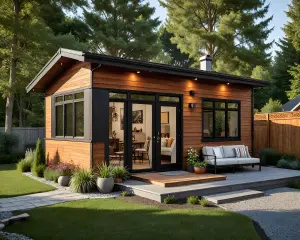
- Detached ADUs: Standalone structures built in the backyard, often referred to as "backyard cottages" or "carriage houses."
- Attached ADUs: Units connected to the primary home, sharing at least one wall.
- Garage Conversions: Transforming an existing garage into a livable space, a popular and cost-effective option.
- Basement Conversions: Converting an existing basement into a separate dwelling unit.
- Interior ADUs: Creating a self-contained unit within the existing footprint of the home.
Why Hire a Specialized ADU Contractor in Georgia?
Working with a contractor who specializes in ADUs in Georgia offers significant advantages. Georgia's hot and humid climate demands specific construction considerations, including proper insulation, moisture barriers, and HVAC systems designed to handle high humidity levels. A knowledgeable ADU contractor will ensure your unit is built to withstand Georgia's weather conditions while remaining energy-efficient and compliant with the Georgia State Minimum Standard Codes, which govern building, electrical, plumbing, and mechanical work statewide.
Finding the Right ADU Contractor in Georgia
When searching for the best ADU contractor in Georgia, look for professionals who are licensed through the Georgia Secretary of State's office and carry proper liability insurance and workers' compensation coverage. Ask for references from previous ADU projects in your county, and verify their familiarity with local zoning boards and permitting offices. A reputable contractor will guide you through every step, from initial design and permitting to final inspection, ensuring your ADU project is completed on time, on budget, and fully up to code.