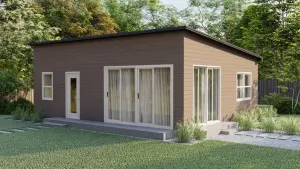
USModular Inc. — ADU Builder in Temecula, CA
USModular Inc. is an accessory dwelling unit builder based in Temecula, California. The company specializes in modular, prefabricated construction of ADUs that are built to both Federal and local building codes. It is worth noting that USModular does not build or sell Park Model RVs or tiny homes built to RV codes — units that are generally not permitted as full-time residences on most California properties.
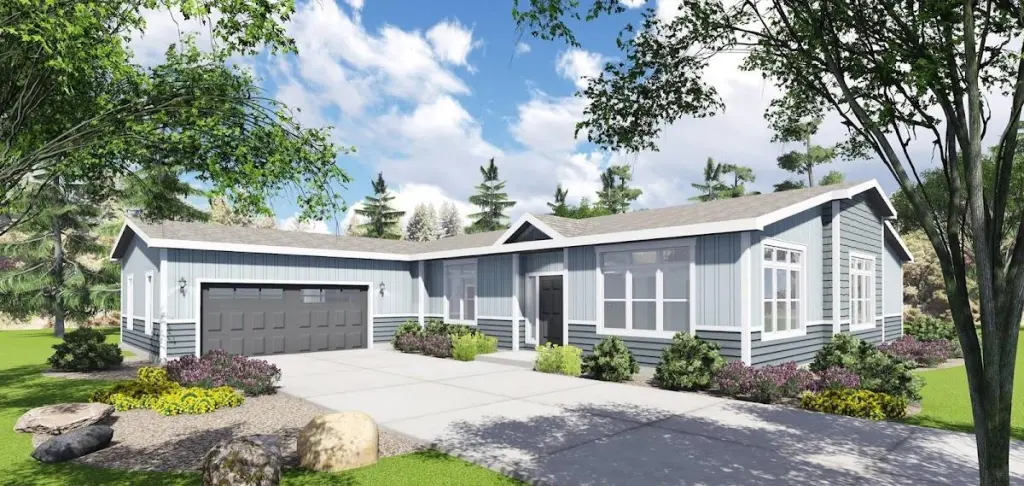
A key point USModular emphasizes is that modular construction is not a style or product — it is a construction technique. Virtually any home style that can be built using traditional methods can also be built using prefabricated modular construction, including ranch-style homes, Cape Cods, and two-story structures.
As an experienced ADU contractor in Temecula, USModular works within the local regulatory framework. Local jurisdictions govern setbacks and floor area ratios, while state law typically addresses parking and connection fees. The team begins each project with a Feasibility Study and Conceptual Budget to determine which ADU floor plan is appropriate for a given property.
How Modular ADU Construction Works
Modular ADUs are assembled in a controlled factory environment rather than entirely on-site. Individual modules can be up to 90% complete when they leave the factory — including walls, flooring, ceilings, stairs, carpeting, and interior wall finishes. A two-story, 2,500 sq. ft. home can typically be assembled in a factory in under a week.
This approach offers several practical advantages:
- Construction is not affected by rain, wind, or other weather conditions, reducing the risk of warped wood, mold, or weather-related damage during the build.
- Build times are significantly shorter — USModular notes that many homes are completed in as little as 120 days.
- Factory conditions allow for consistent quality control without necessarily increasing costs.
- On-site disruption to neighbors is considerably reduced compared to traditional construction timelines.
The same materials and building codes that apply to traditionally constructed homes — including IRC and local codes — apply to USModular's prefabricated ADUs. The difference lies in where and how those materials are assembled.
The building industry has been moving toward modular components for years. Cabinets, windows, roof trusses, and door systems are already manufactured off-site and delivered to job sites. A typical accessory dwelling unit may already use up to 30% modularized components. Full modular construction takes this evolution further, with homes that are approximately 90% complete before arriving at the property.
The Seven-Step Building Process
USModular follows a structured, seven-step process for each ADU project:
- Feasibility Study and Conceptual Budget (FSCB): An initial site inspection is conducted to assess route accessibility, topography, and utility availability. Research is carried out with the local jurisdiction to determine zoning, setback and height requirements, permit costs, and development fees. A preliminary construction budget is then prepared based on a conceptual floor plan or desired square footage.
- Conceptual Design: Once feasibility is confirmed, the USModular design team works with the client to refine floor plans and exterior elevations. Design choices such as window and door types, ceiling heights, appliances, and interior and exterior finishes are selected during this phase.
- Construction Agreement and Project Funding: An all-inclusive construction agreement is prepared covering every aspect of the project. USModular can assist clients in connecting with lending institutions familiar with the off-site modular process if financing is needed.
- Engineering: Structural, mechanical, electrical, plumbing, fire suppression, and civil engineering are completed by state-licensed engineering firms. These drawings form part of the approval submittal package.
- Permitting: Modular plans are submitted to a state-approved third-party agency rather than the local jurisdiction, which helps streamline the plan review process. Site and building plans are submitted to the local jurisdiction concurrently.
- Factory Construction and Site Preparation: While the modules are being built in the factory, site preparation work — including grading and foundation — takes place simultaneously, further reducing the overall project timeline.
- Installation and Completion: Modules are delivered to the site and set in place. Remaining on-site work, inspections, and final finishes are completed to bring the ADU to full occupancy readiness.
USModular positions itself as a full-service ADU general contractor, managing the project from initial feasibility through to handing over the keys. Their approach is aimed at property owners and developers in Temecula who are looking for a structured, code-compliant path to adding an accessory dwelling unit to their property.