
What Is an Accessory Dwelling Unit?
An accessory dwelling unit, commonly referred to as an ADU, goes by several names depending on the region — including secondary dwelling, laneway house, in-law suite, or casita. Across the United States, "ADU" is the most widely used term for this type of housing. ADUs are self-contained living spaces that can be either attached or detached from the primary residence, located on the same property.
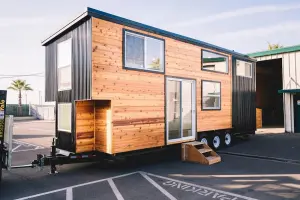
ADUs differ from tiny houses in a few key ways. While ADUs can sometimes be small in size, they are permanent structures tied to an existing property, require all standard utilities, and are classified as real estate. Tiny houses, by contrast, can be mobile and may not require utility connections in the same way.
Common ADU types include:
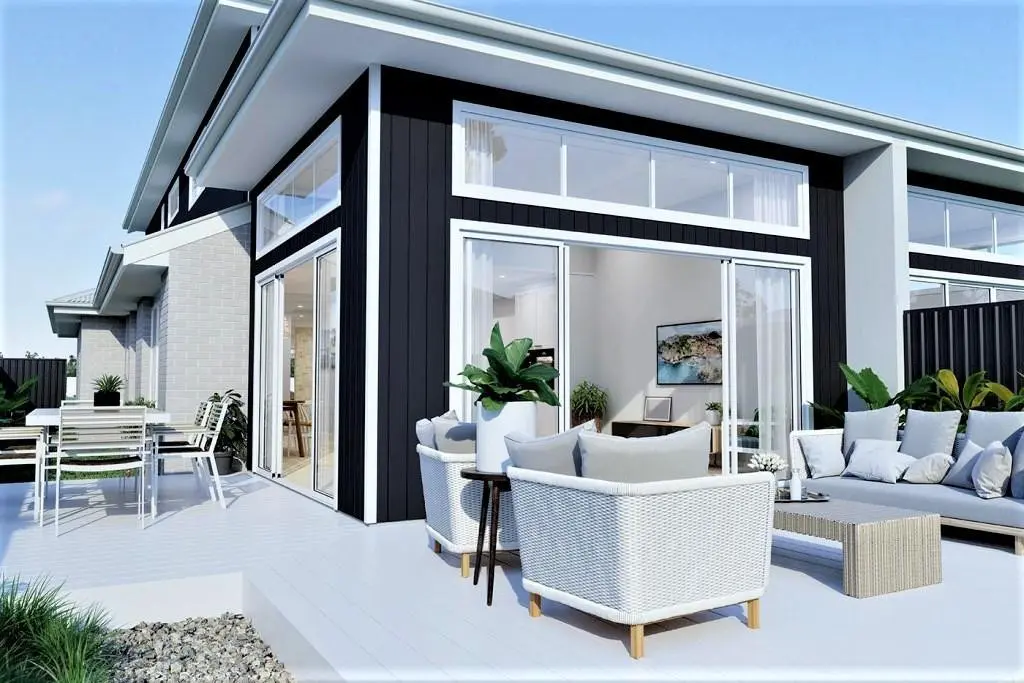
- Detached new home
- Attached addition
- Basement apartment
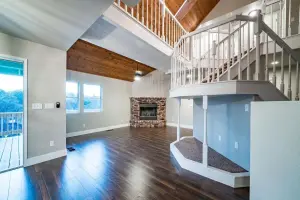
- Attic apartment
- Over-garage apartment
- Garage conversion
Many new laws and regulations across the United States have reduced restrictions on building ADUs, creating more housing opportunities for property owners. However, rules can vary from city to city, so checking with your local jurisdiction before starting is an important first step.
Benefits of Building an ADU
There are several practical reasons property owners consider adding an ADU to their lot:
- Long-term investment potential
- Makes use of unused backyard space
- Multiple financing options may be available
- Potential tax benefits
- Can increase overall property value
- Provides an additional income stream
- Adds livable space for family members or guests
The G.J. Gardner Homes Clovis ADU Process
G.J. Gardner Homes Clovis operates as an experienced ADU builder and ADU contractor in the Clovis area, with over 30 years of experience building and renovating homes and accessory dwelling units. Their team includes designers, architects, licensed builders, skilled contractors, and project managers.
Their process follows a structured seven-step approach:
- Consultation — An initial meeting to discuss the proposed ADU location, feasibility, and intended purpose.
- Preliminary Design — A detailed review of the lot dimensions, topography, utility locations, and landscaping to select a suitable ADU design with required setbacks.
- Plan Approval — A contract is presented, the final plan is reviewed, and the proposal is submitted to the local municipality for approval.
- Site Preparation — Utilities are connected and the site is prepared for foundation work.
- Exterior Finish — Exterior materials and color selections are coordinated to complement the existing home.
- Interior Finish — Selected interior inclusions are installed, with an opportunity for the homeowner to inspect the work before finishing touches are applied.
- Handover — Upon completion, a Certificate of Occupancy is issued, a final walkthrough is conducted, and the keys are handed over.
As a detached ADU builder and granny flat builder, G.J. Gardner Homes Clovis builds to meet all California building standards, using materials sourced from established suppliers and manufacturers. A team member is present throughout the entire process — from the initial on-site evaluation through to the final handover.