Revival Homes: ADU Project Management in California
Revival Homes operates as an all-in-one ADU project manager for California homeowners. Building an accessory dwelling unit — whether it's a detached ADU, a garage conversion, a granny flat, or an in-law suite — involves a significant number of moving parts. From planning and financing through to design, permitting, and construction, the process can be demanding. Revival Homes positions itself as a single point of contact to guide homeowners through each of those stages.
Their service model covers five key phases: project planning, financing, custom design and permitting, contractor selection, and construction management. A dedicated ADU expert is assigned to each project to provide guidance throughout.
How the Process Works
Revival Homes begins with a free one-on-one consultation. During this call, their ADU experts assess project feasibility, discuss zoning considerations, and provide transparent pricing based on the homeowner's design preferences and budget. This initial step is intended to give homeowners a realistic picture of what their project involves before any commitments are made.
Financing is handled as part of the service. Revival Homes works with partner lenders to recommend loan options suited to each homeowner's situation. Common financing routes include home equity loans, HELOCs — including ADU-specific HELOCs that factor in the projected increase in home value — and cash-out refinances.
For design, Revival Homes draws from a library of over 50 ADU models, which are then customized to fit the available space and budget. They also manage the permitting process directly, coordinating with architects and engineers to work toward permit approval in as little as four months.
When it comes to finding an ADU contractor or builder, Revival Homes uses an invite-only network of pre-vetted contractors. Homeowners can receive bids from up to three of these partner builders within a week. Revival Homes then helps review those bids and select the right contractor for the project.
Once construction begins, Revival Homes uses a Build Management Tool to track progress and keep all parties coordinated through to completion.
Types of ADUs Revival Homes Builds
Revival Homes works on a range of ADU types across California, including:
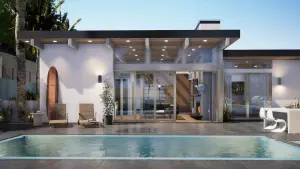
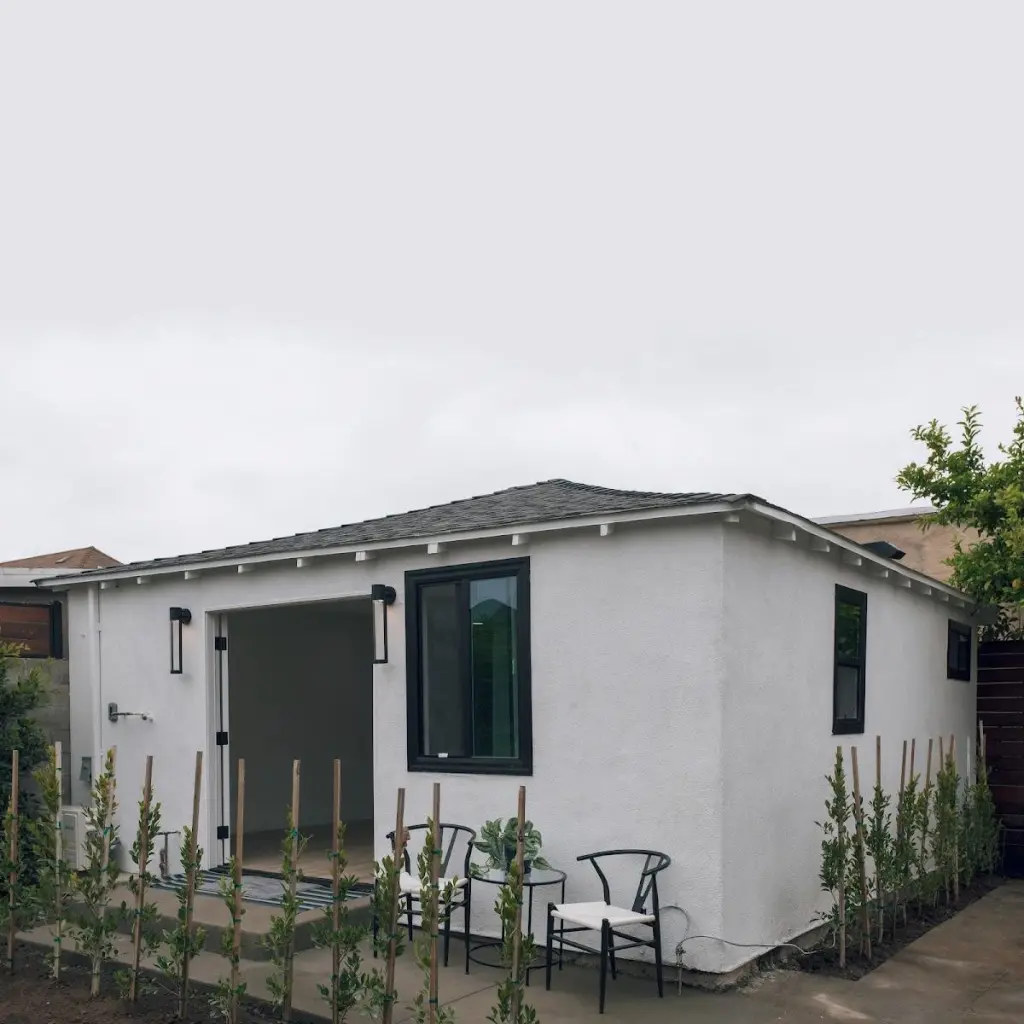
- Detached ADUs — standalone backyard cottage structures separate from the main home
- Attached ADUs — units connected to the main house, such as home extensions
- Garage conversions — converting an existing attached or detached garage into a livable space
- JADUs — Junior Accessory Dwelling Units created within the existing footprint of a home
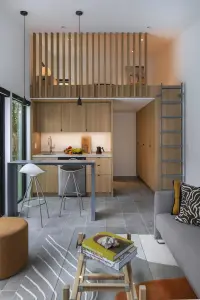
These units are known by various names — casita, granny flat, in-law suite, backyard cottage — and serve a range of purposes depending on the homeowner's needs.
Common reasons homeowners build ADUs include creating additional living space for a growing family, accommodating multigenerational living arrangements, or generating rental income. In California's housing market, where costs remain high and housing supply is limited, an ADU can serve as a practical way to offset mortgage costs through long-term or short-term rental.
Construction costs for Revival Homes projects have ranged from approximately $100,000 for a smaller garage conversion to around $300,000 for a larger, multi-bedroom detached ADU. The final cost depends on factors such as size, number of stories, site conditions, finish quality, and whether any utility upgrades are required.
In California, most homeowners are permitted to build an ADU under state law, which sets consistent zoning rules and streamlines the permitting process. ADUs under 800 square feet, under 16 feet tall, and set back at least 4 feet from the property line are generally approvable statewide. Many cities, including Los Angeles and San Diego, allow detached ADUs of up to 1,200 square feet.
Overall, Revival Homes offers a structured, managed approach to ADU development for California homeowners who want professional oversight across the entire process — from the first planning call to the final certificate of occupancy.