East Bay ADU by ADBC Architecture
ADBC Architecture completed this residential accessory dwelling unit project in East Bay, CA in 2025. The detached ADU was designed with a clear long-term purpose: to support multigenerational living on a single property. The homeowner intends to retire into the ADU while their adult children take over the main house, creating a connected family compound that can adapt as needs change over time.
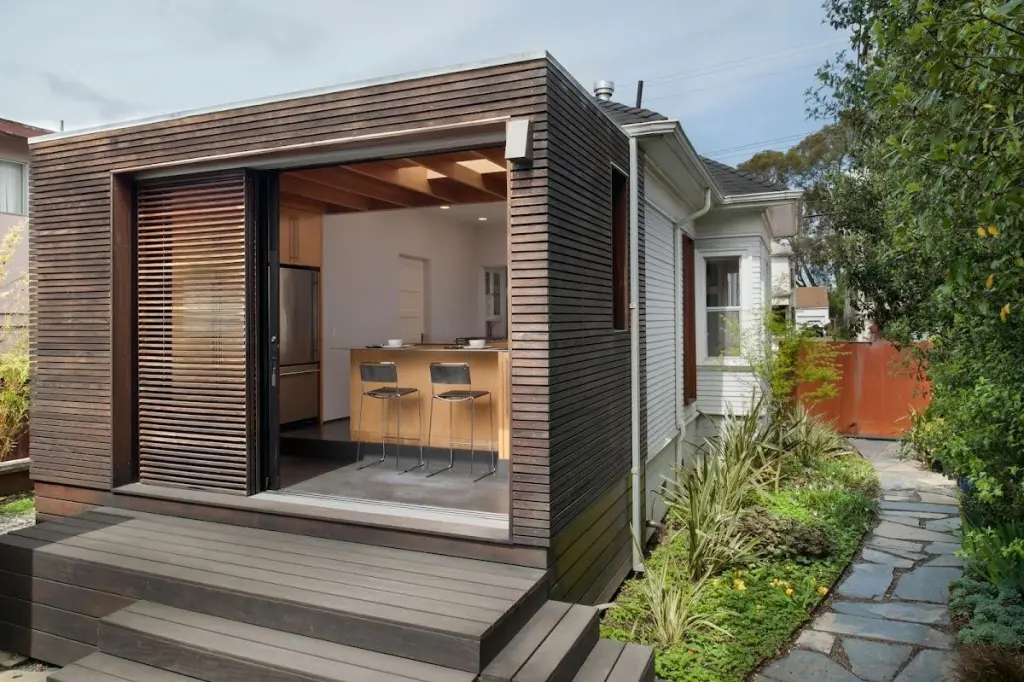
The structure sits at the rear of the lot and measures 800 square feet. While compact in footprint, the design works to make the interior feel more spacious than its size might suggest. Large windows, high ceilings, and a deliberate indoor-outdoor connection all contribute to a sense of openness within a modest envelope.
Design and Materials
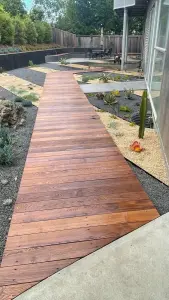
The exterior of this backyard cottage is clad in thermally modified wood and steel — a combination chosen to balance visual warmth with long-term durability. The material palette gives the structure a grounded, considered appearance without relying on elaborate detailing.
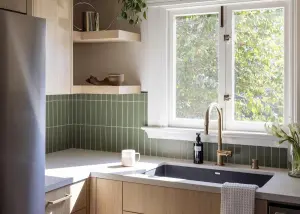
Inside, the design priorities shift toward natural light, privacy, and simplicity. The interior is kept straightforward, with craftsmanship and thoughtful detailing doing the work rather than decorative complexity. The result is a quiet, functional living space suited to everyday life.
A Flexible Approach to Residential Living
This project is a good example of how an accessory dwelling unit builder can approach a granny flat or in-law suite not just as an add-on structure, but as a meaningful part of a home's long-term function. The ADU allows the property to serve two generations simultaneously, without requiring either party to leave the neighborhood or the family lot.
ADBC Architecture worked alongside builder Fides Industrial to bring the project to completion. The collaboration reflects the kind of coordinated effort typically required between an ADU contractor and design team to deliver a well-resolved small structure.
At 800 SF, this detached ADU demonstrates that a smaller building, when carefully designed, can support a significant shift in how a residential property functions over time.