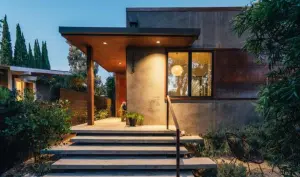
Katz Design & Builders Inc: ADU Construction in Los Angeles and Orange County
Accessory Dwelling Units (ADUs) have become one of the more practical ways for California homeowners to add value to their property. But building one successfully requires more than general construction experience — it demands a thorough understanding of state codes, local zoning rules, and a structured approach to project management. Katz Design & Builders Inc provides end-to-end ADU development services across Los Angeles and Orange County, managing the process from initial feasibility through final inspection.
An ADU is an independent living unit located on the same lot as a primary residence. It must function autonomously, with its own sleeping, living, kitchen, and sanitation facilities. While California legislation such as SB 1069 has simplified parts of the approval process, construction still requires navigating both City Planning and Building & Safety departments. Defining the project scope early — whether it's a new detached build, an addition, or a conversion — is one of the most important steps in keeping the budget and timeline on track.
ADU Construction Types Offered by Katz Design & Builders
Detached ADUs are standalone structures separate from the main residence. They typically offer the most design flexibility and privacy. In many jurisdictions, these units can be built up to 1,200 square feet, subject to lot size and Floor Area Ratio (FAR) limits. Because they require independent foundations and new utility connections, they function essentially as ground-up construction projects.
It's worth noting that California state code guarantees homeowners the right to build an ADU of at least 800 square feet, regardless of local lot coverage or FAR restrictions, provided the unit meets basic height and 4-foot setback requirements. This makes construction viable even on smaller or non-conforming lots.
Attached ADUs are built by expanding the existing primary residence. This approach shares structural walls and may utilize existing utility runs, which can help reduce costs. However, it requires a careful engineering review of existing load-bearing walls. This option tends to work well for properties where yard space is limited but the home's layout allows for logical expansion.
Garage conversions are among the most common ADU projects Katz Design & Builders handles. A legal garage conversion is not a simple remodel — it is a change of use that requires bringing the structure up to habitable building code. This includes waterproofing the slab, reinforcing the framing, and meeting thermal compliance standards. Their garage conversion contractor team manages these structural retrofits to produce fully permitted living spaces.
Junior Accessory Dwelling Units (JADUs) are limited to 500 square feet and must be contained entirely within the existing single-family home or its attached garage. JADUs carry notable advantages, including exemptions from many development impact fees. Integrating one requires precise architectural planning to establish fire separation and private access without disrupting the flow of the main residence.
Compliance, Costs, and Regional Considerations
All new residential construction in California must comply with Title 24 Energy Efficiency Standards. For new detached ADUs, this typically includes a photovoltaic (PV) solar system sized to offset the unit's electrical load, along with strict insulation and glazing requirements. Katz Design & Builders calculates these specifications during the pre-construction phase to support a clean first submission to the city.
On the cost side, ADU projects involve both hard costs — materials and labor — and soft costs such as architectural plans and permits. Key budget drivers include:
- Site conditions: Sloped terrain may require retaining walls and soil exportation, adding significant cost compared to flat lots.
- Electrical panel upgrades: Older homes with 100-amp panels often need an upgrade to 200+ amps to support an all-electric ADU.
- Sewer and water connections: Detached units typically require dedicated lateral connections, with trenching costs depending on distance.
- Interior finishes: Material choices, soundproofing, and fixture quality all affect the final cost per square foot.
Per California Government Code § 65852.2, ADUs under 750 square feet are exempt from development impact fees. For larger units, fees are proportional to the size of the primary residence. Identifying these costs during the initial feasibility study helps keep the overall budget accurate.
Construction requirements also vary between municipalities. Los Angeles projects may involve hillside ordinances or Historic Preservation Overlay Zones (HPOZ), where the ADU's exterior must reflect the architectural era of the main house. Orange County cities often have their own requirements around privacy and architectural consistency. Katz Design & Builders works across both regions, with experience navigating these local differences, including coastal density regulations in areas like Long Beach.
Their construction process follows a structured five-phase workflow: feasibility and design, permitting, site work and foundation, framing and systems installation, and finish work with final city inspection. As a CSLB-licensed General Contractor (Class B), Katz Design & Builders carries the liability and workers' compensation insurance required to protect homeowners throughout the build, coordinating all trades and inspections from start to finish.