
Understanding ADUs and the Design Process
An Accessory Dwelling Unit (ADU) is a secondary residential space located on the same lot as a primary home. It includes living quarters, kitchen facilities, and a bathroom, making it a fully functional independent unit. ADUs are commonly used for rental income, guest accommodations, or multigenerational living arrangements. Ability Drafting Services works with homeowners navigating the design and permitting process for these types of projects.
One of the first questions many homeowners have is whether a permit is required. The answer is yes — permits are necessary to ensure an ADU meets local building codes, zoning regulations, and safety standards. Professionally prepared architectural plans play an important role here, as accurate documentation helps move the permitting process along and reduces the likelihood of delays or correction requests from review officials.
Types of ADUs and What They Involve
There are several types of ADUs, each with its own considerations. A detached ADU is a standalone structure separate from the main house, offering more privacy. An attached ADU shares at least one wall with the primary home, which often means less construction work and closer integration with the existing structure.
A garage conversion is another common option. Many homeowners choose to repurpose an existing garage into a livable ADU. This type of project typically involves structural upgrades, utility connections, and insulation work. Garage conversions must meet residential habitability requirements, including proper egress, ventilation, and heating systems.
ADU size limits are determined by lot size and local zoning regulations. Detached units are generally limited to a specific square footage range, while attached units may be further restricted based on the size of the primary home. Reviewing applicable guidelines before the design phase begins is an important step in the process.
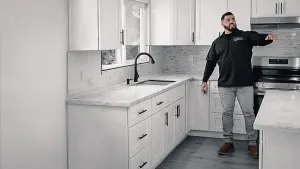
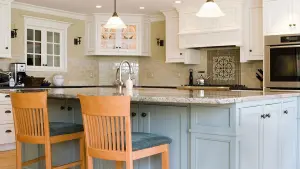
ADUs are permitted to include full kitchens and bathrooms, which makes them suitable for long-term independent living. Proper layout planning and utility connections are essential to ensure the space functions correctly and complies with residential codes covering plumbing, electrical systems, and spatial requirements.
What a Complete Drawing Set Includes
Ability Drafting Services prepares complete drawing sets for ADU projects. A typical set includes:
- Site plans
- Floor plans
- Elevations
- Building sections
- Construction details
- Code analysis
Depending on the scope of the project, additional documents such as structural coordination, electrical layouts, and energy compliance reports may also be included.
As for timeline, most ADU projects take approximately 2 to 3 months from initial concept through to permit approval. This period covers site evaluation, drafting, client revisions, and the city review process. Early planning and familiarity with local requirements can help reduce potential delays along the way.