What Is an ADU and Why Does It Matter in California?
An Accessory Dwelling Unit (ADU) is an additional, self-contained living space built on the same lot as a primary residence. In California, ADUs — also commonly referred to as granny flats, casitas, or in-law suites — were introduced through state legislation and signed into law to help address the shortage of affordable housing. These laws are ultimately enforced by local city and county agencies, making it essential to work with an experienced ADU contractor who understands local regulations.
ADUs can serve a wide range of purposes: housing elderly parents, accommodating family members, providing space for in-home health care providers, or generating rental income. In San Diego, where real estate demand is high, a well-built ADU can rent for approximately $1,600 per month for a 500 square-foot unit — making it a compelling investment opportunity.
Understanding ADU Size, Type, and Placement Rules
California law allows homeowners to build a detached ADU of up to 1,200 sq ft and 24 feet tall without requiring local discretionary approvals. Attached ADUs cannot exceed 50% of the main residence's floor area. Local municipalities that create their own ADU ordinances must permit units of at least 850 sq ft, or up to 1,000 sq ft for units with more than one bedroom.
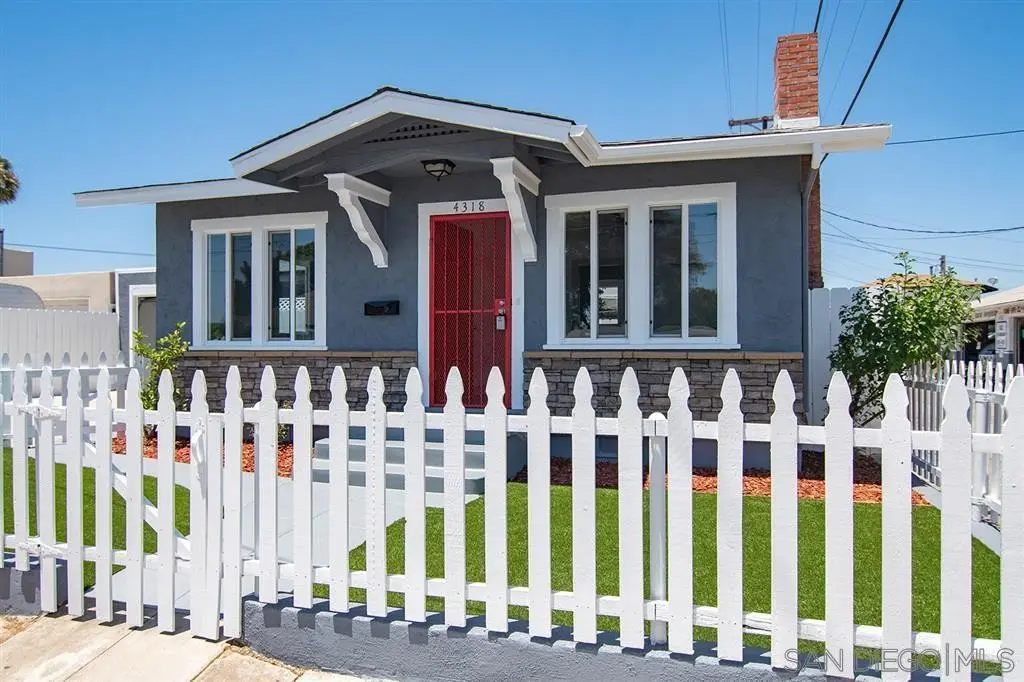
New laws also permit two ADUs on a single-family zoned property — one full ADU and one Junior Accessory Dwelling Unit (JADU). A JADU is a complete independent living facility of no more than 500 sq ft, contained entirely within an existing single-family home, such as a converted garage or spare bedroom. It must include a separate exterior entrance, a full bathroom, and an efficient kitchen with cooking appliances, food preparation counter, and storage.
Regarding placement, setbacks for new ADUs have been reduced for side and rear yards. No setbacks are required when converting an existing permitted accessory structure. It is even possible to remove an existing structure and replace it with a new ADU that matches its footprint, preserving any pre-existing reduced setbacks.
How Much Does It Cost to Build an ADU in California?
The cost of building an ADU varies depending on several factors. For pre-designed plans using standard materials with no additional features, the average cost per square foot starts at around $1,200. However, projects requiring custom architectural plans, quality construction materials, and premium amenities can exceed $200 per square foot.
Optional upgrades that can increase costs include:
- Sundecks and rooftop solar panels
- EV charging points
- Smart home automation systems
- Gourmet kitchens with high-end appliances
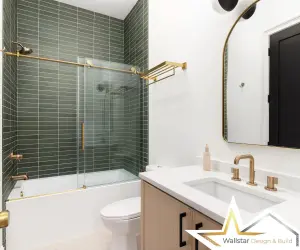
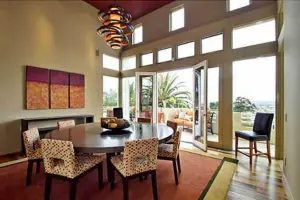
- Natural stone countertops and exotic hardwood floors
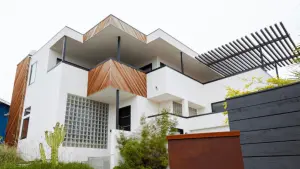
The architectural style of the main property also plays a significant role. A Mediterranean revival home near the coast, for example, may require a fully custom design to match the existing aesthetic — adding to the overall project cost. A qualified ADU builder can help calculate all costs upfront to avoid unexpected fees.
When searching for an accessory dwelling unit builder in San Diego, it is important to prioritize experience and specialization. A dedicated ADU contractor — rather than a general contractor — will be better equipped to navigate zoning regulations, secure building permits, and deliver a finished product that adds genuine value to the property. They work closely with homeowners to incorporate individual design preferences, comply with any deed restrictions, and ensure the project meets all local requirements from start to finish.