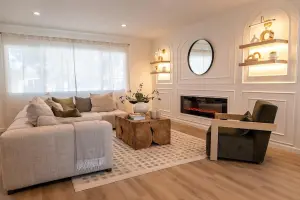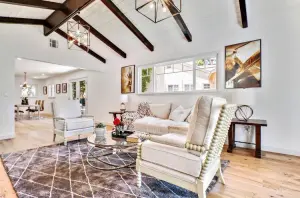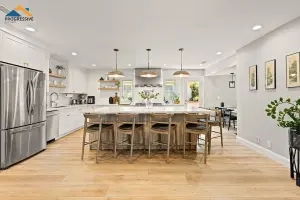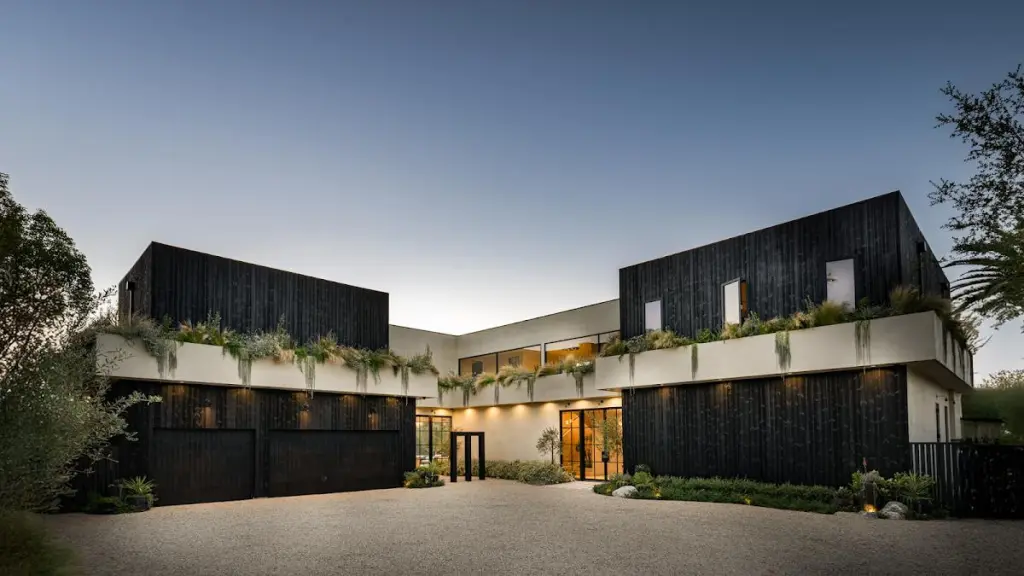
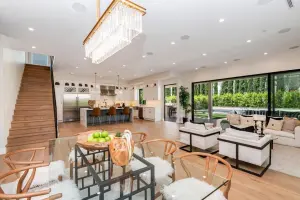
ADU Construction Services by EHD Builders
An Accessory Dwelling Unit (ADU) is a secondary, self-contained living space built on the same property as an existing primary residence. These units go by several names — granny flats, in-law units, or backyard cottages — and can take a variety of forms, including detached structures, attached additions, or converted garages and basements. EHD Builders offers ADU construction services, helping homeowners navigate the process from planning through completion.
The design and size of any ADU depends on local building codes, zoning regulations, and the homeowner's specific needs. EHD Builders works with clients to ensure their project aligns with applicable requirements while meeting practical goals.
What can an ADU be used for? There are a few common reasons homeowners pursue ADU construction:
- Extra living space — An ADU can provide room for extended family members, guests, or serve as a private space separate from the main home.
- Rental income — When not in use by family or guests, an ADU can be rented out, including through short-term rental platforms, providing a potential source of passive income.
EHD Builders' ADU Scope of Work
EHD Builders handles a range of tasks involved in ADU construction. Their scope of work includes:
- Blueprints and permits
- Demolition and excavation
- Framing
- Plumbing and electrical work
- Drywall and painting
Materials used in their projects have included hardwood flooring, kitchen tile, and prefab kitchen cabinets, though specifics will vary depending on the individual project and client preferences.
Common Questions About ADU Construction
How big can an ADU be?
ADU size is typically determined by lot size, the square footage of the existing main dwelling, and local zoning rules. Some areas cap ADUs at a percentage of the primary residence's size or set a maximum — often around 800 to 1,200 square feet. Working with an experienced ADU contractor helps ensure the design stays within local limits.
Are ADUs allowed in my area?
Regulations vary by location. Some regions permit ADUs with few restrictions, while others impose rules around size, setbacks, parking, and owner occupancy. It's important to research local rules before starting a project. An ADU builder familiar with local codes can help assess feasibility.
How much does it cost to build an ADU?
In the Los Angeles, CA area, ADU construction costs generally range from $150,000 to $350,000 or more, depending on size, design, materials, and site conditions. A detailed cost estimate from a qualified contractor based on your specific project is the most reliable way to understand expected expenses. Financing options such as home equity loans, construction loans, or ADU-specific programs may help make the project more accessible.
Do I need a separate entrance?
Requirements for a separate entrance depend on local zoning and building codes. In some areas it is mandatory; in others it is not. Checking with your local building department or a qualified garage conversion contractor or ADU specialist is the best way to confirm what applies to your property.
How long does construction take?
Timelines vary based on project complexity, permitting, and material availability. Simpler projects like garage conversions may take around 3 to 6 months, while more complex ground-up builds can take 6 months to a year or longer.
Do I need permits?
Yes, permits are required in most cases. This typically includes building permits and may also involve plumbing, electrical, and zoning compliance permits. EHD Builders includes permit handling as part of their ADU construction process.
Can I convert an existing space into an ADU?
In many cases, yes. Spaces such as garages, basements, or attics can potentially be converted into an ADU, subject to local regulations and building codes. A JADU contractor or ADU specialist can help determine whether your existing space qualifies.
Will an ADU affect my property taxes?
Adding an ADU may affect the assessed value of your property and, consequently, your property taxes. The extent of any change depends on local tax rules, and some areas offer exemptions for certain types of ADUs. Consulting a local tax professional is advisable before proceeding.