ADU Contractors near Detroit, MI
Skyline Homes
755 West Big Beaver Road, New Troy, MI 48084
12.6 miles
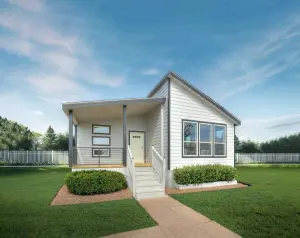
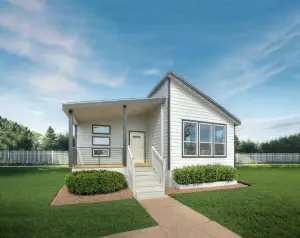
Skyline Homes offers prefab Accessory Dwelling Units (ADUs) for guest suites, rentals, or multigenerational living. Features include Net Zero Ready builds, smart home options, and flexible configurations like detached ADUs, Casitas, and JADUs.
read more
Subject Studio
1577 Ash Street, Detroit, MI 48208
3.4 miles
Subject Studio transforms a 1,400 SF Detroit garage into an eco-friendly tiny house in Woodbridge. This architecture and interior design firm handles sustainable ADU conversions, collaborating with Stroyko Construction. Project under construction ... read more
Genesis Homes
755 West Big Beaver Road, Troy, MI 48084
12.6 miles
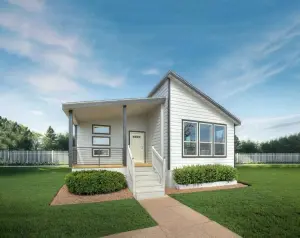
Genesis Homes is a leading ADU builder in the US, specializing in factory-built accessory dwelling units for developers. Available in 48 states, their offsite construction model offers speed, cost savings, and quality for granny flats, in-law suit... read more
Cool Tiny Homes
47 Bluebird Hill Drive, Oakland Township, MI 48359
24.1 miles
An ADU (accessory dwelling unit) is a small secondary living space on the same property as a primary home. Also called granny flats or in-law suites, ADUs offer flexibility, affordability, and multigenerational living solutions.
read more
Champion Home Builders, Inc.
755 West Big Beaver Road, Troy, MI 48084
12.6 miles
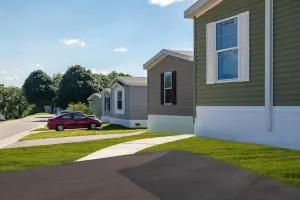
An Accessory Dwelling Unit (ADU), also known as a granny flat or in-law suite, is a self-contained living space that boosts property value by 20–30%, generates rental income, supports multigenerational living, and promotes environmental sustaina... read more
Other cities in Michigan
What you need to know
ADU Contractors in Detroit, Michigan: Building on the Motor City's Housing Legacy
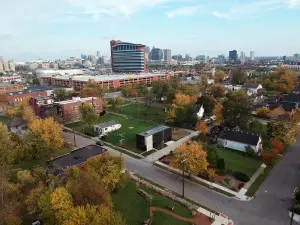
Detroit's unique urban landscape, shaped by decades of population shifts and an abundance of large residential lots, presents exceptional opportunities for accessory dwelling unit (ADU) construction. With over 90,000 vacant lots and a housing stock that includes many spacious single-family properties on generous parcels, Detroit homeowners have significant flexibility when it comes to adding secondary living spaces. ADU contractors in Detroit are increasingly in demand as the city works to address housing shortages while preserving its distinctive neighborhood character across areas like Midtown, Corktown, and East English Village.
Navigating Detroit's Zoning and Building Requirements
Detroit's zoning ordinance, administered through the Buildings, Safety Engineering and Environmental Department (BSEED), governs where and how ADUs can be built. Experienced ADU contractors in Detroit understand the city's specific requirements, including setback regulations, lot coverage limitations, and the distinction between attached and detached accessory structures. Detroit's zoning code historically required owner-occupancy for properties with accessory units, a regulation that local contractors must verify remains current before beginning any project. Additionally, Detroit's older housing stock means many properties fall under historic district guidelines, particularly in neighborhoods like Boston-Edison and Indian Village, requiring contractors to coordinate with the Historic District Commission for exterior modifications.
Michigan's building codes, adopted at the state level but enforced locally, dictate structural, electrical, and plumbing standards that all ADU construction must meet. Detroit-based contractors must secure permits through the city's permitting portal, a process that typically includes plan review, zoning compliance verification, and multiple inspections throughout construction. Given Detroit's aging infrastructure in many neighborhoods, contractors frequently encounter challenges related to sewer line capacity and water service connections that require careful assessment before groundbreaking.
Why Local Expertise Matters for Detroit ADU Projects
Detroit's climate, featuring cold winters with significant snowfall and humid summers, demands construction techniques suited to the Great Lakes region. Qualified ADU contractors in Detroit prioritize proper insulation, foundation frost protection extending below the region's frost line, and moisture management systems appropriate for Michigan's weather patterns. Many contractors also work with the city's Property Assessed Clean Energy (PACE) financing options or state and local incentive programs designed to encourage affordable housing development.
Detroit's ongoing revitalization efforts, including initiatives from the Detroit Housing Commission and partnerships with organizations promoting affordable housing solutions, have created a supportive environment for ADU development. Contractors working in this space often collaborate with homeowners to convert existing structures like detached garages or carriage houses into legal dwelling units, a common approach given the historic presence of these structures on Detroit's older residential lots.
Homeowners considering an ADU project should seek contractors with demonstrated experience navigating Detroit's specific permitting process, familiarity with BSEED requirements, and a track record of successful projects within the city's diverse neighborhoods. This local expertise proves invaluable for avoiding costly delays and ensuring compliance with Detroit's evolving housing regulations.