Microhouse: Detached ADU Builder in Seattle
Microhouse is a Seattle-based design and build firm specializing in accessory dwelling units, commonly referred to as ADUs. Their work focuses primarily on detached ADUs — known locally as DADUs — though they also work on attached units and cabins. Over the years, they have completed a range of projects across Seattle neighborhoods including Green Lake, Ravenna, Loyal Heights, Tangletown, Madison Valley, and North Beach.
An accessory dwelling unit (ADU) is a separate dwelling unit that shares a lot with a primary residence. These can be either attached (AADU) or detached (DADU). In Seattle, ADU regulations are considered among the more permissive in the country, and Microhouse helps homeowners navigate the rules, costs, and design possibilities involved in building one.
Seattle's land-use code has seen significant changes in recent years. The city now allows for larger DADUs as well as multiple single-family residences on a single lot. Despite these expanded options, detached ADUs continue to be a popular choice for Seattle homeowners. Microhouse has been actively involved in building DADUs under both the interim and updated codes, and they regularly host open houses to help prospective clients understand what is currently possible.
What Microhouse Offers as an ADU Contractor
Microhouse works with clients from the early planning stages through to completed construction. Their process typically begins with a preliminary site assessment, which can be conducted by phone or email. During this initial phase, they address questions around feasibility, budget, and design — three factors they consider closely linked.
Key areas they assist clients with include:
- Understanding local zoning and land-use regulations
- Assessing site-specific constraints such as lot coverage, tree protection, environmentally critical areas, and drainage
- Evaluating construction budgets based on recently completed projects
- Custom DADU design tailored to the specific property and goals of the homeowner
- Guidance for owner-builders who wish to act as their own general contractor
Microhouse places particular emphasis on identifying constraints early — factors that could make a DADU project cost-prohibitive or unfeasible — so that clients can make informed decisions before committing to a plan.
While pre-approved DADU plans exist in Seattle and account for roughly 10% of permits, Microhouse has noted that custom designs tend to work better for the majority of homeowners. Pre-approved plans offer a fixed price and some permits in place, but they may not account for the specific conditions and goals of each property and client.
Recent DADU Projects and Market Context
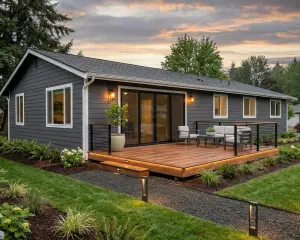
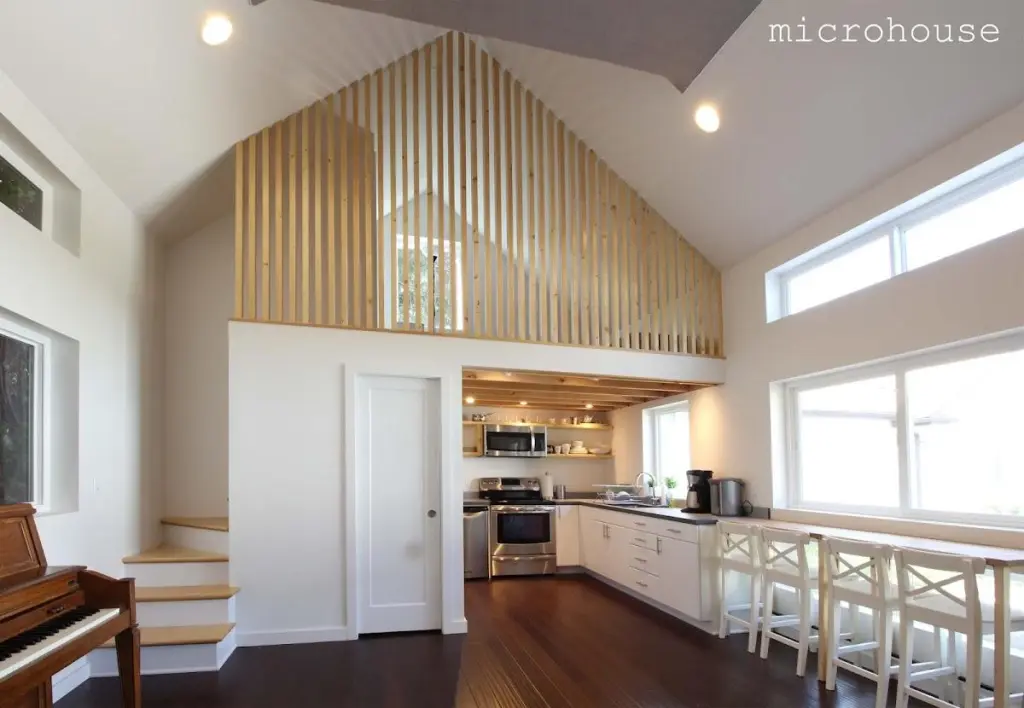
Microhouse has completed a variety of DADU projects across Seattle, ranging in size and configuration. Some recent examples include:
- A 1,325 sq ft apartment over a two-car garage in the Loyal Heights neighborhood, designed to generate rental income while providing storage and workspace
- A 1,334 sq ft, three-bedroom, three-bath DADU in the Ravenna neighborhood, sold as a condo for over $1 million
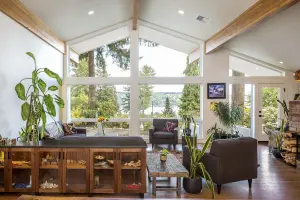
- A 1,170 sq ft, two-bedroom, 1.5-bath DADU in the Green Lake neighborhood with an open ground-floor plan and private yard
- A three-bedroom, 2.5-bath DADU built under Seattle's interim land-use code, used as an example in their open house events
Seattle permitted more DADUs than new single-family homes in 2022, with 551 DADU permits issued — approximately four times the number from five years prior. In 2023, a record number of ADUs were built in Seattle, representing a 40% increase over 2022. Microhouse has been an active part of this growth, regularly completing and showcasing new builds through open house events.
For homeowners considering whether building a DADU is a worthwhile investment, Microhouse points to several factors: potential rental income, the ability to house family members nearby, and the long-term value of a well-designed additional dwelling on the property. They encourage prospective clients to reach out early in the planning process to avoid costly mistakes and to better understand what their specific property and budget can support.