
Understanding Accessory Dwelling Units (ADUs)
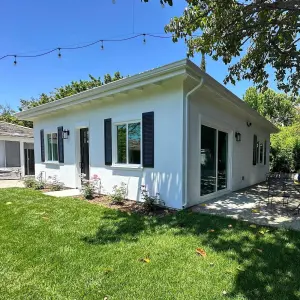
Accessory dwelling units, commonly known as ADUs, are small but fully functional homes built on the same property as a primary residence. They go by many names — granny flats, in-law suites, backyard cottages, or mother-in-law suites — but in practice, they are complete, modern living spaces designed to serve a variety of purposes.
An ADU can function as a guesthouse, a space for aging family members, or a secondary rental unit that generates income for the property owner. These units can be built as detached structures on an adjacent portion of the lot, or as attached additions — such as above a garage. Regardless of configuration, the ADU cannot be sold separately from the primary residence, though it can be rented out legally in most jurisdictions.
There are two main types of ADUs worth understanding:
- Attached ADUs — limited to adding up to fifty percent of the total square footage of the main home.
- Detached ADUs — can offer significantly more space, often nearly three times that of an attached unit.
ADUs can increase a property's overall value and resale potential. They also provide a practical solution for multi-generational living, offering family members independence and privacy while remaining close to home.
From an affordability standpoint, ADUs have become an increasingly relevant option for low-to-moderate-income households. Many cities have updated zoning regulations to make it easier to develop these units, recognizing their role in expanding housing supply without dramatically altering the character of existing neighborhoods.
Key Considerations Before Building an ADU
Before starting an ADU project, there are several practical factors to keep in mind:
- Permits: Most areas require permits for ADU construction, including plan submissions, fees, and inspections. Local planning departments should be consulted early in the process.
- Zoning regulations: Rules around ADU size, placement, and occupancy vary by city and state. Not all residential zones allow ADUs, so verifying local ordinances is essential.
- Costs: Building an ADU typically ranges from $100,000 to $200,000, depending on size, materials, location, and labor. Getting multiple contractor quotes helps establish a realistic budget.
- Utilities: ADUs require connections to water, electricity, and sewer systems. Existing infrastructure may need to be upgraded.
- Property taxes: Adding an ADU may increase the assessed value of the property, which could result in higher property taxes.
- Timeline: From permitting through construction, the process typically takes between 6 and 12 months.
Rental regulations also vary. Some municipalities restrict short-term rentals or require the property owner to live on-site. Reviewing local ordinances before renting out an ADU is strongly advised.
Working with Baum Construction & Development Inc
Baum Construction & Development Inc is a Long Beach, California-based ADU contractor with experience in accessory dwelling unit construction. The company is led by Michael A. Baum, who has established a reputation as a knowledgeable ADU builder in the Long Beach area and has received recognition through multi-year Angie's List Super Service Awards.
Attempting to build an ADU without professional help carries real risks. Building codes can be overlooked, best practices may be missed, and costly errors can occur. Working with an experienced accessory dwelling unit builder helps ensure the project is completed to code, on budget, and with fewer complications along the way.
Homeowners retain full control over the contractor they choose to hire. Selecting a qualified ADU contractor — one familiar with local permitting requirements and construction standards — is an important step in making the project a success.
Michael Baum has also authored a book intended to help homeowners select the right general contractor for their ADU project, which may be a useful resource for those in the early stages of planning.