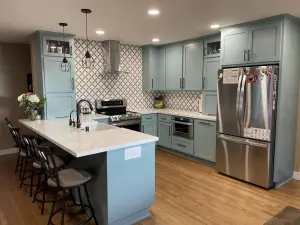
What Is an ADU and Why Does It Matter?
An Accessory Dwelling Unit (ADU) is a secondary residential unit built on the same lot as a primary home. In California, ADUs have become an increasingly practical option for homeowners looking to house family members nearby, as well as for investors seeking to add rental income without purchasing new property. ORR Construction works as an ADU contractor helping clients navigate this process from planning through completion.
California's housing legislation has made it more straightforward to build ADUs. Laws such as SB 897, AB 976, and AB 1033 have reduced barriers like minimum lot size requirements, owner-occupancy mandates, and replacement parking rules. These changes have opened the door for a wider range of property owners to consider adding an accessory dwelling unit to their lot.
Types of ADUs ORR Construction Can Build
As an experienced ADU builder, ORR Construction works across several common ADU configurations, each suited to different site conditions and homeowner goals:
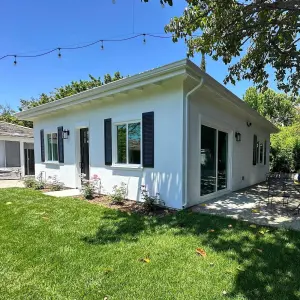
- Detached ADU: A standalone unit built on vacant or underutilized land on the property. These can be up to 1,200 sq. ft. and are popular as granny flat or backyard cottage builds.
- Garage Conversion: Converting an existing attached or detached garage into a livable unit. As a garage conversion contractor, ORR Construction can repurpose existing structures, often at a lower cost than new construction.
- Above-Garage ADU: Building a residential unit on top of a detached garage. This preserves yard space while adding a private unit suitable for tenants or family members.
- Carport Conversion: Enclosing and upgrading a carport into a functional living space. This is a cost-effective approach for those looking to minimize groundwork.
- In-Law Suite / Casita: Whether attached or detached, ORR Construction builds in-law suites and Casitas designed for multigenerational living arrangements.
- JADU (Junior Accessory Dwelling Unit): A smaller unit, typically within the existing footprint of the primary home, often converted from a bedroom or interior space.
Each project type comes with its own set of structural, permitting, and utility considerations. ORR Construction works through these details with clients to match the right approach to the property and budget.
The Construction Process: From Site Prep to Final Inspection
Building an ADU involves several distinct phases. ORR Construction manages the process across all of them:
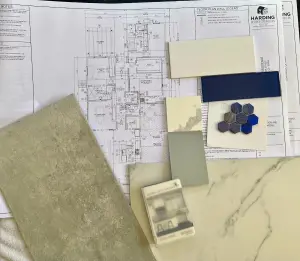
- Planning and Design: Identifying the ADU type, reviewing local zoning requirements, and selecting a design that meets both code and client needs. Pre-approved plan programs can help streamline this stage.
- Demolition and Site Preparation: For conversions, this may involve removing roofing or non-structural walls. For new detached builds, site clearing and grading are required. Permits for demolition are typically issued alongside ADU permits under current California law.
- Excavation and Foundation: Foundation type depends on the project. Slab-on-grade is common for detached units on flat lots. Garage conversions often reuse the existing slab, reducing costs. Deeper foundations may be needed for tucked-under parking configurations.
- Framing: Structural framing is completed to California's seismic and safety standards. For attached ADUs, new framing ties into the existing structure. Detached units are built as standalone frames.
- Utilities: Plumbing, electrical, and HVAC systems are installed. Attached units can often connect to the main home's existing systems, reducing costs. California law waives separate utility connection fees for conversions. New detached ADUs are required to include solar panels.
- Exterior and Interior Finishes: Siding, roofing, windows, drywall, flooring, and cabinetry are completed. Material choices vary depending on whether the priority is durability for a rental unit or comfort for a family member.
- Final Inspections: City inspectors verify compliance across electrical, plumbing, and structural elements before the unit receives occupancy approval.
Construction costs generally range from $100 to $300 per square foot for new builds, while conversions tend to fall between $50 and $200 per square foot. A contingency budget of around 10–15% is advisable to account for unexpected delays or site conditions.
For homeowners and investors in California, working with a qualified accessory dwelling unit builder like ORR Construction provides a structured path through what can otherwise be a complex permitting and construction process.