ADU Contractors in Florida
Tivey Construction, Inc.
768 Frederic Drive, Fleming Island, FL 32003
Tivey Construction, Inc. — Jacksonville's trusted remodeling experts for 30+ years. Serving Northeast Florida with kitchen remodels, bathroom renovations, home additions, ADUs, pools & more. Licensed, insured, quality guaranteed.
read more
CEMCO Construction Company
720 Commerce Center Drive, Sebastian, FL 32958
CEMCO Construction Company offers expert home addition services, including in-law suites, garage conversions & ADUs. They manage permits, scheduling & quality control, serving residential, commercial & government clients with professio... read more
Craftline Remodeling
306 East Tyler Street, Tampa, FL 33602
Maximize your property’s potential with a custom Accessory Dwelling Unit (ADU) or Garage Conversion in St. Petersburg. Whether you need a mother-in-law suite for aging parents, a private home office, or a high-yield rental unit, CraftLine Remode... read more
Renovio Florida
13555 Automobile Boulevard, Clearwater, FL 33762
Renovio Florida is a construction and renovation company offering kitchen remodels, bathroom upgrades, flooring, painting, home additions, garage conversions, and ADU construction for residential and commercial clients statewide.
read more
Quality Modernizing Services
475 Southeast 1st Avenue, Delray Beach, FL 33444
QMS builds ADUs in Palm Beach County, FL, covering site prep, foundation, framing, and utility connections. Serving Delray Beach & Boca Raton, they ensure full Florida Building Code compliance from slab to final inspection.
read more
Yalco Construction
4003 S Westshore Blvd #3307, Tampa, FL FL 33611
Yalco Construction LLC, Tampa FL (license CRC1331704), specializes in custom homes, ADUs, home additions & remodeling. Serving Tampa & St. Petersburg with full design, 3D renderings & construction management.
read more
EAD Drafting Services
7726 Winegard Road, Orlando, FL 32809
Ken Walker Builders Inc
13700 58th Street North, Clearwater, FL 33760
Sunshine State Builders GC LLC
7207 Lake Nellie Road, Clermont, FL 34714
Sunshine State Builders GC LLC is a licensed, bonded general contractor in Clermont, Florida, serving Central Florida since 2010. Services include home construction, renovations, roofing, plumbing, stucco repair, drywall, tile, flooring, and pool ... read more
BKR General Construction
4173 SW 24 St, Fort Lauderdale, FL 33317
BKR General Construction is a South Florida contractor serving Broward, Miami & Palm Beach counties. They specialize in ADU construction, kitchen & bathroom remodeling, home additions & whole-house renovations.
read more
Lavender House Contracting
13475 Atlantic Boulevard, Jacksonville, FL 32225
Lavender House is a full-service construction & design company specializing in new builds, whole house renovations, ADUs, home additions, kitchens, baths, and virtual design. Led by expert professionals, they deliver quality craftsmanship and ... read more
Bayou Builders of Bay Co LLC
3200 West 23rd Street, Panama City, FL 32405
Vercammen Contracting
Bradenton, FL 34203
Vercammen Contracting offers expert ADU construction in Sarasota & Manatee Counties, FL. Services include garage conversions, detached ADUs & basement renovations. Family-owned, veteran-owned, 30 years experience, free quotes & 1-year ... read more
Mesocore
3715 Fiscal Court, West Palm Beach, FL 33404
Building an ADU in Gainesville requires careful cost analysis, as expenses vary significantly based on construction method and site conditions. Total turnkey costs for a 500 square foot detached unit range from $180,000 to $300,000 for traditional... read more
Robinson Renovation & Custom Homes Inc
6910 West University Avenue, Gainesville, FL 32607
Robinson Renovation & Custom Homes Inc manages ADUs, garage conversions, and custom homes through a structured 3-phase process: Discovery, Design & Pre-Construction, and Build. Permits, pricing, and client communication are handled through... read more
Other cities in Florida
What you need to know
ADU Contractors in Florida: Navigating the Sunshine State's Unique Building Environment
Florida's warm climate, booming population growth, and high demand for affordable housing have made Accessory Dwelling Units (ADUs) increasingly popular across the state. With Florida being one of the fastest-growing states in the US, experienced ADU contractors in Florida are in high demand. The state's unique characteristics — including hurricane-prone weather, high humidity, and strict building codes — mean that constructing an ADU in Florida requires specialized knowledge and expertise that goes beyond standard residential construction.
Florida Building Codes and ADU Regulations
One of the most important factors that Florida ADU contractors must navigate is compliance with the Florida Building Code (FBC), which is updated every three years and sets strict standards for construction. Because Florida is highly susceptible to hurricanes and tropical storms, the FBC includes rigorous wind resistance requirements. ADUs must be built to withstand high-velocity wind zones, particularly in South Florida and coastal areas. Additionally, contractors must ensure compliance with local zoning ordinances, as ADU regulations vary significantly by county and municipality. Cities like Orlando, Tampa, Miami, and Jacksonville each have their own specific rules regarding setbacks, lot coverage, height restrictions, and utility connections.
Key Considerations for Building an ADU in Florida
When hiring ADU builders in Florida, homeowners should be aware of several critical factors that influence the construction process:
- Hurricane-resistant construction: ADUs must meet impact-resistant standards, including reinforced roofing, impact windows, and storm shutters where required.
- Flood zone compliance: Many Florida properties fall within FEMA-designated flood zones, requiring elevated foundations and flood-resistant materials.
- Humidity and moisture management: Florida's high humidity demands proper insulation, vapor barriers, and moisture-resistant building materials to prevent mold and structural damage.
- Energy efficiency standards: Florida enforces the Florida Energy Efficiency Code, requiring ADUs to meet specific insulation, HVAC, and window efficiency standards.
- Permitting requirements: All ADU construction in Florida requires proper permits from local building departments, including inspections at various stages of construction.
Types of ADUs Commonly Built in Florida
Experienced ADU contractors in Florida typically build several types of accessory dwelling units to suit the state's diverse housing needs:
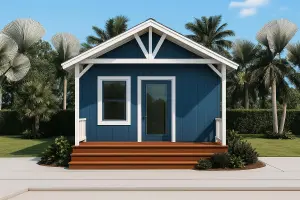
- Detached ADUs: Standalone structures built in the backyard, popular in suburban areas of Central and South Florida.
- Garage conversions: Converting existing garages into livable spaces, common in older Florida neighborhoods.
- In-law suites: Attached additions to the primary home, ideal for multigenerational families.
- Above-garage apartments: Second-story units built above detached garages, maximizing lot usage.
Choosing the Right ADU Contractor in Florida
Selecting a qualified ADU contractor in Florida is essential to ensuring a successful project. Homeowners should verify that contractors hold a valid Florida State Certified Contractor license, issued by the Florida Department of Business and Professional Regulation (DBPR). Look for contractors with proven experience in local permitting processes, hurricane-resistant construction, and energy-efficient building practices. Requesting references, reviewing past ADU projects, and obtaining multiple quotes will help ensure you find the best professional for your specific needs and budget.